
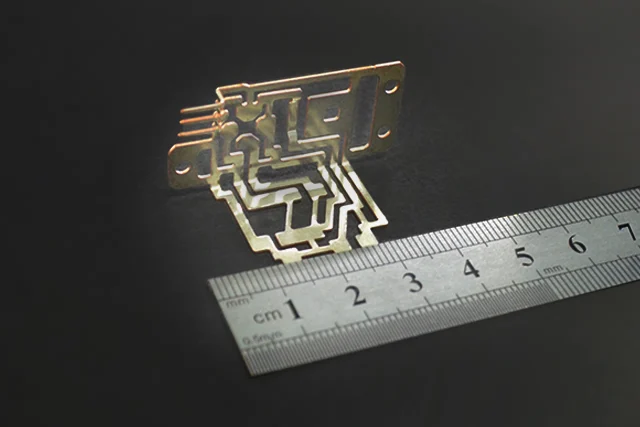
At the heart of every successful precision metal stamping parts operation lies the tooling. The die determines the shape, tolerances, surface finish, and ultimately the quality of the stamped part. Without properly designed, fabricated, and maintained tooling, even the most sophisticated stamping press cannot produce acceptable precision metal stamping parts.
This article explores the critical role of tooling in producing precision metal stamping parts, covering die design principles, materials used in die construction, maintenance strategies, and best practices for extending die life.
The Critical Role of Tooling in Precision Metal Stamping
Tooling is the foundation of precision metal stamping parts production. The die is a precision tool that cuts, forms, or shapes the metal sheet into the desired geometry. Every aspect of the die—material selection, clearance, radius, and geometry—affects the quality and consistency of the stamped part.
A well-designed die for precision metal stamping parts delivers parts that meet specifications consistently, with minimal scrap and tool wear. A poorly designed die produces parts with dimensional variation, surface defects, and premature tool failure. The cost of die design and fabrication is significant, but the cost of poor die design is far higher.
Types of Dies for Precision Metal Stamping Parts
Precision metal stamping parts are produced using several types of dies, each suited to different applications, production volumes, and part complexities.
Single-Station Dies
Single-station dies perform one operation per press stroke. These dies are relatively simple and inexpensive, making them ideal for low-volume precision metal stamping parts production or prototyping. In a single-station die, a blanking, piercing, or forming operation is performed in a single stroke.
Single-station dies are commonly used for precision metal stamping parts with simple geometries or when production volumes are low. They require manual or semi-automated material handling and are less efficient than progressive dies.
Progressive Dies
Progressive dies perform multiple operations in a single press stroke as the material moves through successive stations. A progressive die can perform blanking, piercing, bending, coining, and other operations in a single pass through the press.
Progressive dies are efficient for high-volume precision metal stamping parts because they produce completed parts with minimal handling. However, they are more expensive and complex to design and fabricate. Progressive dies are used when production volumes justify the investment.
Transfer Dies
Transfer dies move the workpiece from one station to another using mechanical transfer systems. Unlike progressive dies, where the material strip carries the part, transfer dies use mechanical fingers or grippers to move individual parts between stations.
Transfer dies are used for larger precision metal stamping parts that cannot be easily handled in a progressive die. They offer flexibility and are suitable for medium to high-volume production.
Compound Dies
Compound dies combine multiple operations—such as blanking and piercing—in a single station. These dies are efficient for simple precision metal stamping parts that require two or more operations. The die performs all operations simultaneously, reducing handling and improving accuracy.
Combination Dies
Combination dies perform both cutting and forming operations in a single station. These dies are used for precision metal stamping parts that require both operations in a single stroke.
Die Materials for Precision Metal Stamping Parts
The choice of material for dies used in precision metal stamping parts is critical to their performance and longevity. Die materials must balance wear resistance, toughness, and machinability.
Tool Steels
Tool steels are the most common materials for dies used in precision metal stamping parts. Several grades are available, each with specific properties.
D2 Tool Steel offers excellent wear resistance and is widely used in dies for high-volume precision metal stamping parts. It maintains its hardness at elevated temperatures and resists galling.
A2 Tool Steel offers a good balance of wear resistance and toughness. It is used in dies for precision metal stamping parts requiring impact resistance.
O1 Tool Steel is an oil-hardening steel that offers good wear resistance and machinability. It is used in dies for lower-volume precision metal stamping parts.
M2 Tool Steel is a high-speed steel that offers excellent wear resistance and red hardness. It is used in dies for high-speed precision metal stamping parts operations.
Carbides
Carbide dies offer exceptional wear resistance and are used for high-volume precision metal stamping parts or abrasive materials. Carbide is more expensive than tool steel but lasts significantly longer.
Powdered Metals
Powdered metal materials offer improved wear resistance and toughness compared to conventional tool steels. These materials are increasingly used in dies for demanding precision metal stamping parts applications.
Aluminum and Mild Steel
Aluminum and mild steel are used for prototype dies or low-volume precision metal stamping parts. These materials are easy to machine and cost-effective but lack the durability of tool steels.
Key Die Design Considerations for Precision Metal Stamping Parts
Several critical factors must be considered in the design of dies for precision metal stamping parts.
Clearance
Clearance between the punch and die is one of the most critical parameters in dies for precision metal stamping parts. Too much clearance causes burrs and poor edge quality; too little clearance increases tool wear and press forces.
Clearance is typically expressed as a percentage of material thickness. Standard clearance ranges from 5% to 10% of material thickness per side, depending on the material and application.
Radius
Radii at corners reduce stress concentrations and improve formability. Sharp corners cause cracking and premature tool wear. A minimum radius of 0.5 times material thickness is recommended for most dies used in precision metal stamping parts.
Draft Angles
Draft angles facilitate part removal from the die. Draft angles of 1 to 3 degrees are typical, depending on the material and part geometry. Draft angles prevent parts from sticking in the die and reduce tool wear.
Springback Compensation
Springback is the tendency of metal to return to its original shape after forming. Springback compensation involves adjusting the die geometry to account for this behavior. This is typically done through over-bending, coining, or using materials with lower springback.
Strip Layout
Strip layout refers to the arrangement of parts on the metal strip in progressive die operations. Efficient strip layout maximizes material utilization and minimizes scrap.
Strip layout considerations include part orientation, spacing, and the placement of pilots and carriers. Advanced strip layout software can optimize material yield and reduce costs.
Pilot Holes
Pilot holes are used to accurately position the material strip as it moves through progressive dies. Proper pilot hole placement ensures consistent part quality and reduces scrap in precision metal stamping parts.
Lifters and Strippers
Lifters raise the material strip off the die surface to prevent scratching and facilitate feeding. Strippers remove the material from the punch after each stroke. Both are essential components of dies for precision metal stamping parts.
The Die Manufacturing Process
The manufacturing of dies for precision metal stamping parts involves several stages, each requiring precision and expertise.
Design and Engineering
The first stage is design and engineering. This involves creating detailed 3D models of the die, specifying material properties, and defining tolerances. Collaboration with the tooling supplier during this stage is essential.
Advanced simulation software predicts material behavior and die performance, reducing the need for physical trials. Simulation tools can identify potential issues such as cracking, wrinkling, or springback before the die is fabricated.
Material Selection
Based on the application requirements and production volume, the appropriate material for the die is selected. Tool steels, carbides, or powdered metals may be chosen depending on the specific needs.
Machining
The die components are machined from the selected material. CNC machining, EDM (electrical discharge machining), and wire EDM are common methods for fabricating dies for precision metal stamping parts.
CNC machining provides high accuracy and is used for roughing and finishing operations. EDM is used for complex geometries that are difficult to machine conventionally. Wire EDM provides exceptional accuracy for intricate features.
Heat Treatment
Tool steel dies undergo heat treatment to achieve maximum hardness and wear resistance. The heat treatment process involves heating the die components to a specific temperature, holding for a set time, and then quenching and tempering.
Proper heat treatment is essential for the performance and longevity of dies for precision metal stamping parts. Inadequate heat treatment results in premature wear and tool failure.
Grinding and Finishing
After heat treatment, the die components are ground to final dimensions. Surface grinding, cylindrical grinding, and jig grinding are common methods for finishing dies for precision metal stamping parts.
Grinding achieves tight tolerances and smooth surface finishes essential for high-quality precision metal stamping parts.
Assembly and Testing
The die components are assembled and tested to ensure they function correctly. Test runs are conducted using the production material to validate the die and identify any issues.
Maintenance Strategies for Dies
Proper maintenance is essential for extending the life of dies used in precision metal stamping parts.
Preventive Maintenance
Preventive maintenance is the most effective approach to extending die life. A well-designed preventive maintenance program identifies and addresses issues before they become problems.
Establish a Maintenance Schedule. The frequency of maintenance depends on production volume, material type, die complexity, and operating conditions. A general guideline is to perform maintenance after every 50,000 to 100,000 strokes.
Cleaning and Inspection. After each production run, the die should be cleaned and inspected for signs of wear, damage, or cracking.
Lubrication. Proper lubrication reduces friction, prevents galling, and extends tool life.
Sharpening and Dressing. Cutting edges wear over time. Regular sharpening restores the cutting edges to their original condition.
Predictive Maintenance
Predictive maintenance uses data and condition monitoring to predict when maintenance is needed.
Condition Monitoring. Sensors and data analysis detect wear and damage before they cause failures.
Vibration Analysis. Vibration analysis identifies developing issues in the die or press.
Tool Life Monitoring. Tracking the number of strokes or parts produced helps predict when maintenance is needed.
Corrective Maintenance
Corrective maintenance addresses issues that have already occurred.
Troubleshooting. Systematic troubleshooting identifies the root cause of issues.
Repairs. Worn or damaged components are repaired or replaced.
Documentation. All maintenance activities should be documented for future reference.
Common Die Issues and Troubleshooting
Understanding common die issues helps in prevention and troubleshooting.
Wear. Wear is the most common issue. Regular maintenance and sharpening extend die life.
Chipping. Chipping occurs when small pieces of the die break off. Proper clearances and material selection reduce chipping.
Galling. Galling occurs when material adheres to the die surface. Proper lubrication and die coatings reduce galling.
Cracking. Cracking occurs when the die is subjected to excessive stress. Proper design and heat treatment prevent cracking.
Best Practices for Die Design and Maintenance
Engage the Tooling Supplier Early. Early engagement enables design optimization and prevents costly issues.
Use Simulation Software. Simulation predicts material behavior and die performance.
Design for Maintainability. Dies should be designed for easy maintenance with accessible wear components.
Document Everything. Documentation of die design, materials, and maintenance is essential.
Train Operators. Well-trained operators identify and report issues early.
Conclusion
Tooling is the foundation of successful precision metal stamping parts production. By understanding the types of dies, die materials, design considerations, manufacturing processes, and maintenance strategies, manufacturers can produce high-quality precision metal stamping parts consistently and cost-effectively.
The key to successful die design and maintenance for precision metal stamping parts lies in collaboration with suppliers, careful planning, and a commitment to continuous improvement. Investing in proper tooling and maintenance pays dividends in reduced downtime, improved quality, and extended die life.
