
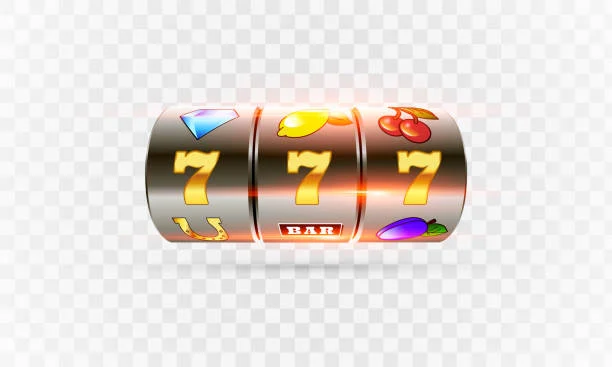
Slot games began as simple mechanical machines built around spinning reels, symbols, and straightforward controls. Over time, technology transformed that familiar format into something much broader. Today’s digital slots combine software, animation, sound, interactive features, and themed environments that often feel closer to compact entertainment experiences than traditional machines.
The reels are still there, but they now sit inside richly designed digital worlds. This evolution shows how advances in computing, mobile devices, graphics, and online platforms have reshaped one of gaming’s most recognizable formats.
The Shift From Mechanical Machines to Digital Screens
Early slot machines were limited by physical hardware. Their reels, symbols, and internal mechanisms determined what designers could create.
Digital technology changed those boundaries by moving much of the game experience onto a screen.
Software Opened New Design Possibilities
Once reels became digital, developers could experiment with layouts that were not possible on mechanical machines. Symbols could move, transform, expand, or disappear. Backgrounds could change during play, and visual effects could appear in response to particular game events.
Software also made it possible to build very different themes around the same basic spinning concept. A single digital format could support fantasy worlds, futuristic cities, historical settings, nature themes, or animated characters.
Digital Graphics Turned Reels Into Visual Worlds
One of the clearest changes in modern slot gacor hari ini development is the increased importance of visual design.
High-resolution graphics, detailed backgrounds, animated symbols, and cinematic effects allow games to establish a stronger sense of place.
Themes Became More Detailed
Instead of simply displaying fruit, numbers, or playing-card symbols, digital slots can create complete visual environments.
A space-themed game might include moving planets and animated spacecraft. An adventure-themed title might feature temples, forests, characters, and changing scenery.
These elements help transform the screen from a basic reel layout into a themed digital setting.
Animation Added Movement Beyond the Spin
Traditional reels offered movement mainly when they started and stopped. Digital slots can use animation throughout the entire experience.
Symbols may glow, expand, break apart, or transform. Characters can react to events, while backgrounds may shift as different features appear.
Motion Can Communicate Information
Animation is not used only for slot naga appearance. It can also help explain what is happening.
For example, a symbol may pulse before activating a feature, or several matching symbols may animate together to highlight a completed combination.
This combination of entertainment and visual communication makes the interface easier to follow while giving the game more personality.
Sound Became Part of the Digital Environment
Modern slot games also use more sophisticated audio than their mechanical predecessors.
Instead of relying only on short electronic sounds, developers can include background music, environmental audio, character voices, and event-specific effects.
Audio Responds to What Happens On Screen
Soundtracks may change during particular sequences, while certain symbols or features may have unique audio cues.
When music, effects, and animation work together, the game can create a more cohesive theme. Audio becomes part of the environment rather than simply an extra effect added to the reels.
Interactive Features Expanded the Format
Digital technology has allowed slot mechanics to become much more flexible.
Games may now include changing reel layouts, cascading symbols, expanding grids, progress indicators, animated features, or interactive sequences.
Reels No Longer Need to Stay Static
A mechanical machine has a fixed physical structure. Digital reels can change during the experience.
New rows may appear, symbols can be replaced, or sections of the screen can transform during certain features.
This flexibility gives developers more ways to create variety while keeping the basic idea of spinning symbols recognizable.
Mobile Devices Changed How Games Are Built
Smartphones and tablets introduced another major shift in slot design.
Developers had to create games that could function well on smaller screens while still maintaining readable symbols, clear controls, and smooth animation.
Responsive Design Became Essential
Modern slot interfaces can adjust according to screen size and orientation. Controls may become larger on mobile devices, menus may be simplified, and reel layouts can scale automatically.
Common mobile-focused design priorities include:
- Clear touchscreen controls
- Readable symbols and text
- Fast-loading visual elements
- Simple menus
- Responsive screen layouts
- Smooth animation
These principles allow the same game concept to work across phones, tablets, laptops, and desktops.
Browser Technology Made Access More Flexible
The development of HTML5 and modern web technologies also played an important role in the growth of digital slots.
HTML5 can support graphics, audio, animation, and interactive elements directly within compatible web browsers.
Games Can Adapt Across Platforms
Developers can create browser-based experiences that work across multiple supported devices without relying entirely on separate versions for each platform.
This has made digital game development more flexible and has helped slot experiences move beyond dedicated physical machines and into broader online entertainment environments.
User Interface Design Became More Important
As slot games gained more features, developers also had to pay greater attention to usability.
Complex visuals are only useful when players can still understand the basic controls and information presented on screen.
Good Interfaces Keep the Experience Clear
Modern slot interfaces often organize functions such as spin controls, sound settings, game information, and paytables in predictable locations.
Readable text, recognizable icons, and clear visual hierarchy help users understand what is happening without being overwhelmed by the technology behind it.
Slots Became Part of a Wider Digital Entertainment Culture
The evolution of slots reflects a broader change in online entertainment. Digital audiences increasingly expect visual variety, responsive interfaces, interactive features, and experiences that work across multiple devices.
Slots have adapted by combining their familiar reel-based structure with elements borrowed from animation, mobile gaming, web design, and interactive media.
From Simple Spins to Digital Realms
The journey from mechanical reels to digital entertainment has transformed how slot games are designed and presented. What began as a straightforward machine-based format now incorporates software engineering, animation, sound, responsive design, and interactive technology.
The reels remain central because they provide a familiar structure. Around them, however, developers can build increasingly detailed worlds and more dynamic experiences.
That balance between recognizable gameplay and evolving technology is what has allowed slots to move from physical machines into the wider landscape of modern digital entertainment.
