
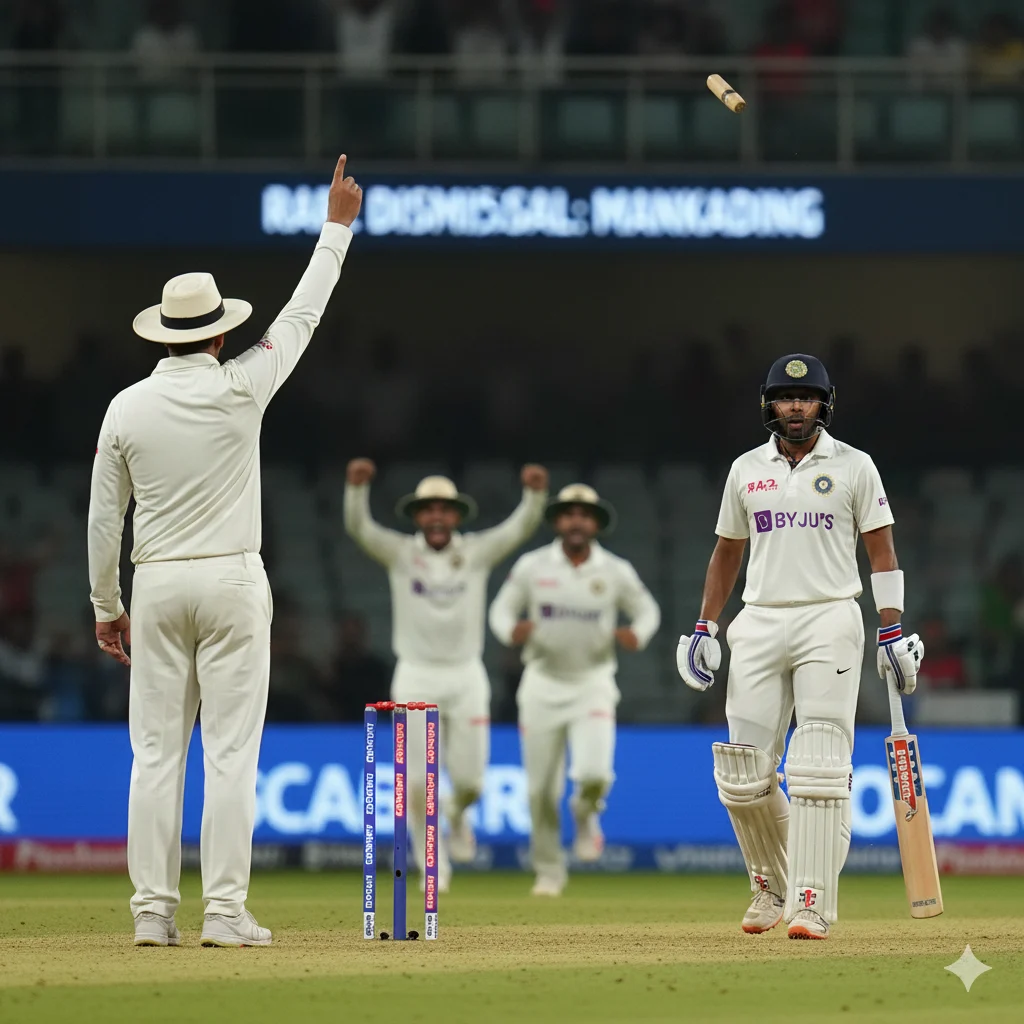
Cricket is known for its excitement, unpredictability, and drama — but beyond the common dismissals like bowled, caught, or LBW, there are some rare and fascinating ways a batsman can get out. These unusual dismissals don’t happen often, but when they do, they create unforgettable moments that leave fans and even players surprised.
In this article, we’ll explore all the rare dismissals in cricket, their official ICC rules, and real-life examples from international matches — helping you understand how these uncommon dismissals actually work.
1. Obstructing the Field
Rule Summary:
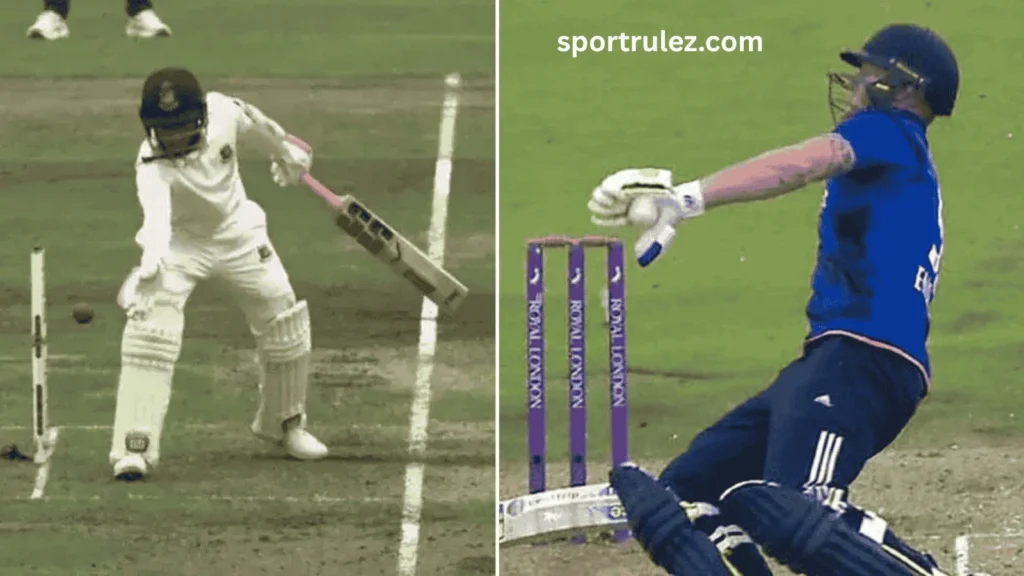
A batsman can be given out obstructing the field if they deliberately use their bat or body to prevent a fielder from taking a catch or effecting a run-out.
ICC Law Reference: Law 37 of the MCC Laws of Cricket.
Example:
In 2015, Ben Stokes was famously given out for obstructing the field in an ODI against Australia when he used his hand to stop the ball that was thrown toward the stumps.
Key Point:
If the obstruction is accidental, the batsman is not out. Intent matters in this dismissal.
2. Timed Out
Rule Summary:
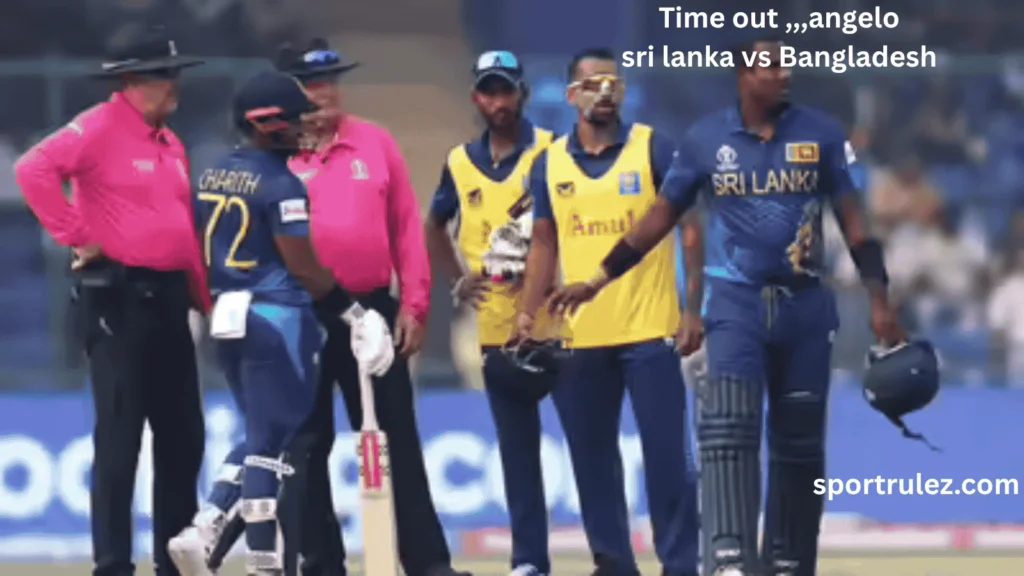
If the next batsman doesn’t arrive at the crease within three minutes (as per ICC rule) after the previous batsman’s dismissal, they can be declared timed out.
ICC Law Reference: Law 40.
Example:
- Andrew Jordaan (South Africa) was one of the first players ever recorded as “timed out.”
- In first-class cricket, AJ Prince (2002) was also declared timed out for being late to the crease.
Modern Rule Update:
In Test matches, the incoming batsman must be ready within 3 minutes, and in limited-overs cricket, the rule may vary slightly depending on playing conditions.
3. Handled the Ball
Rule Summary:
Previously, “handled the ball” was its own mode of dismissal, but now it’s part of obstructing the field.
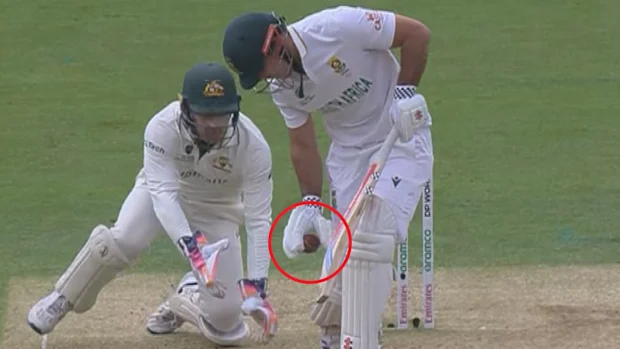
A batsman is out if they deliberately touch the ball with their hand not holding the bat, without the fielding side’s consent.
ICC Law Reference: Merged into Law 37 (Obstructing the field).
Example:
- Mohinder Amarnath (India, 1986) and Graham Gooch (England, 1993) were both dismissed for handling the ball.
Note:
If the batsman picks up the ball and returns it to a fielder with permission, it’s not out.
4. Hit the Ball Twice
Rule Summary:
A batsman can be given out hit the ball twice if, after initially striking the ball, they intentionally hit it again with their bat or body, except for the purpose of protecting their wicket.
ICC Law Reference: Law 34.
Example:
This dismissal is extremely rare — only a few instances in cricket history, such as Russell Endean (South Africa, 1957), who was dismissed this way.
Clarification:
If a batsman deflects the ball away from stumps to avoid being bowled, they are not out.
5. Retired Out
Rule Summary:
If a batsman retires voluntarily without the umpire’s permission and does not have a valid reason (like injury or illness), they are considered retired out.
ICC Law Reference: Law 25.4.2.
Example:
- Marlon Samuels and Shivnarine Chanderpaul have retired hurt before, but in T20 cricket, Mahela Jayawardene and Kumar Sangakkara once retired out to let others bat.
Key Distinction:
“Retired hurt” = Not out.
“Retired out” = Out.
6. Mankading (Run Out by Bowler Before Delivery)
Rule Summary:
If the non-striker leaves the crease before the ball is delivered, the bowler can legally dislodge the bails and run them out.
ICC Law Reference: Law 38.3.
It’s now officially called “Run out (non-striker)” and is not considered unfair play anymore.
Example:
- Vinoo Mankad first did it to Bill Brown in 1947.
- Ravichandran Ashwin did it against Jos Buttler in the IPL 2019, sparking huge debate.
Modern Update:
Since 2022, ICC clarified it as a normal run-out, ending years of controversy.
7. Obstructing the Ball (Hit Wicket Confusion)
This rare type occurs when a batsman accidentally kicks or hits the ball onto the stumps after completion of the shot — often confused with hit wicket.
Rule:
If the ball is still in play and the batsman’s action leads to the ball hitting the stumps, it’s usually hit wicket, not obstructing the field.
8. Double-Hit Rule Clarification
If the ball deflects off the bat, body, or pad and hits the bat again without deliberate intent, it’s not out.
However, if it’s done intentionally to score runs, the batsman is out under “Hit the ball twice.”
9. Returning the Ball Without Permission
If a batsman touches the ball with their hand (not holding the bat) without asking for permission from the fielder or umpire, it can be classified under obstructing the field.
Example: If the batsman picks up the ball to hand it over before the umpire declares it dead.
10. Rare Combination: Timed Out + Retired Out
In very unusual circumstances, a batsman could be timed out and retired out in the same innings scenario — if they fail to appear on time and later refuse to bat.
This has never happened in international cricket but is theoretically possible under ICC Law 40.
Comparison Table of Rare Dismissals
| Dismissal Type | ICC Law | Key Condition | Famous Example |
|---|---|---|---|
| Obstructing the Field | Law 37 | Intentional interference | Ben Stokes (2015) |
| Timed Out | Law 40 | Not reaching crease in 3 mins | AJ Prince (2002) |
| Handled the Ball | Law 37 | Touching ball intentionally | Graham Gooch (1993) |
| Hit the Ball Twice | Law 34 | Intentional second hit | Russell Endean (1957) |
| Retired Out | Law 25.4.2 | Retiring voluntarily | Mahela Jayawardene |
| Mankading | Law 38.3 | Run out before delivery | R. Ashwin (2019) |
Frequently Asked Questions (FAQs)
Q1. What is the rarest dismissal in cricket?
The rarest dismissal is hit the ball twice — it has only happened a handful of times in over 150 years of cricket history.
Q2. Is “handled the ball” still a separate dismissal?
No. It’s now combined under obstructing the field since the 2017 MCC Law update.
Q3. Can a batsman be timed out in T20 cricket?
Yes, but it’s extremely rare. The incoming batsman must be ready within 90 seconds in T20 matches.
Q4. Is Mankading legal now?
Yes. ICC officially confirmed it as a legitimate run-out form in 2022.
Q5. What is the difference between “retired hurt” and “retired out”?
- Retired hurt = not out (injury or illness).
- Retired out = out (voluntary or tactical withdrawal).
Conclusion
While cricket’s common dismissals dominate most matches, it’s these rare dismissals that remind us how unpredictable and beautifully complex the game truly is. From “timed out” to “handled the ball,” every unusual dismissal adds a layer of strategy, awareness, and drama that keeps fans hooked. Understanding these rules not only deepens your love for the game but also helps you appreciate the finer points of cricketing law.

Liam Thompson is a cricket regulations analyst who covers international and league-level rules in depth. He focuses on fielding laws, over-rate penalties, powerplay strategies, and updated ICC guidelines. Liam’s goal is to educate readers while keeping the excitement of the game alive.