

If you’ve spent even an hour researching treks in Nepal, you already know the problem. There are hundreds of trails, dozens of “best trek” lists, and every blog seems to push a different route. It’s overwhelming, and honestly, a bit paralyzing when you’re trying to plan a trip you’ve probably been dreaming about for years.
Most first-time visitors end up choosing between four routes that consistently top the list for good reason: the Annapurna Base Camp Trek, the Manaslu Circuit Trek, the Langtang Valley Trek, and the Mardi Himal Trek. Each one delivers a completely different kind of Himalayan experience — different scenery, different difficulty, different pace, different budget, and different levels of adventure. Some are built for beginners who want mountain views without brutal altitude gain. Others are for people who want to disappear into the hills for two weeks with barely another trekker in sight.
This guide breaks down all four so you can actually decide, not just add another tab to your browser.
Why Nepal Is One of the Best Trekking Destinations in the World
There’s a reason Nepal keeps showing up at the top of every serious trekker’s bucket list. It’s not marketing — it’s geography. Eight of the world’s fourteen highest peaks sit within its borders, and the trails that wind beneath them pass through landscapes that genuinely don’t exist anywhere else on Earth.
What makes trekking in Nepal different from, say, hiking in the Alps or the Rockies, is the tea house system. You’re not camping in isolation every night. You’re walking from village to village, sleeping in small lodges run by local families, eating dal bhat cooked over a wood stove, and waking up to yak bells and mountain light. It’s Himalayan trekking adventure and cultural immersion rolled into one, which is exactly why so many travelers spend weeks comparing Nepal trekking routes before booking anything.
Add to that the sheer range of difficulty — from gentle three-day valley walks to high-altitude passes above 5,000 meters — and it’s clear why Nepal adventure travel appeals to everyone from casual hikers to serious mountaineers. The mountain trails in Nepal aren’t one-size-fits-all, and that’s actually the whole point.
Annapurna Base Camp Trek: A Complete Himalayan Experience
Overview of Annapurna Base Camp Trek
The Annapurna Base Camp Trek sits in the Annapurna region of central Nepal, and it’s arguably the most iconic trek in the country after Everest Base Camp. You’ll reach an altitude of around 4,130 meters, and the whole journey typically takes 7 to 12 days depending on your starting point and pace. Difficulty-wise, it’s moderate — long walking days, some steep stone staircases, but nothing that requires technical climbing skills.
The best seasons for the Annapurna Base Camp Trek are spring (March to May) and autumn (September to November), when skies are clearest and rhododendron forests are either blooming or glowing gold. It’s genuinely one of the more approachable treks for someone attempting their first real Himalayan expedition, which is part of why it stays so popular year after year.
Highlights of Annapurna Base Camp Trek
The trail winds through the dramatic Annapurna Sanctuary, a natural amphitheater surrounded by towering peaks, with the sharp fishtail silhouette of Machhapuchhre dominating the skyline for most of the trek. You’ll pass through the full Annapurna mountain range panorama, walk through thick rhododendron and bamboo forests, and stay in traditional Gurung villages where the culture feels as vivid as the scenery. Reaching base camp itself, surrounded by peaks on nearly every side, is a moment most trekkers describe as genuinely emotional.
Why Choose Annapurna Base Camp Trek?
This is the trek for people who want close, dramatic mountain views without committing to weeks of remote wilderness. It strikes a rare balance between adventure and comfort — decent tea houses, well-marked trails, and enough cultural exposure to make it feel like more than just a walk. If it’s your first time in the Himalayas, this is usually the safest bet.
Manaslu Circuit Trek: The Remote Himalayan Adventure
Overview of Manaslu Circuit Trek
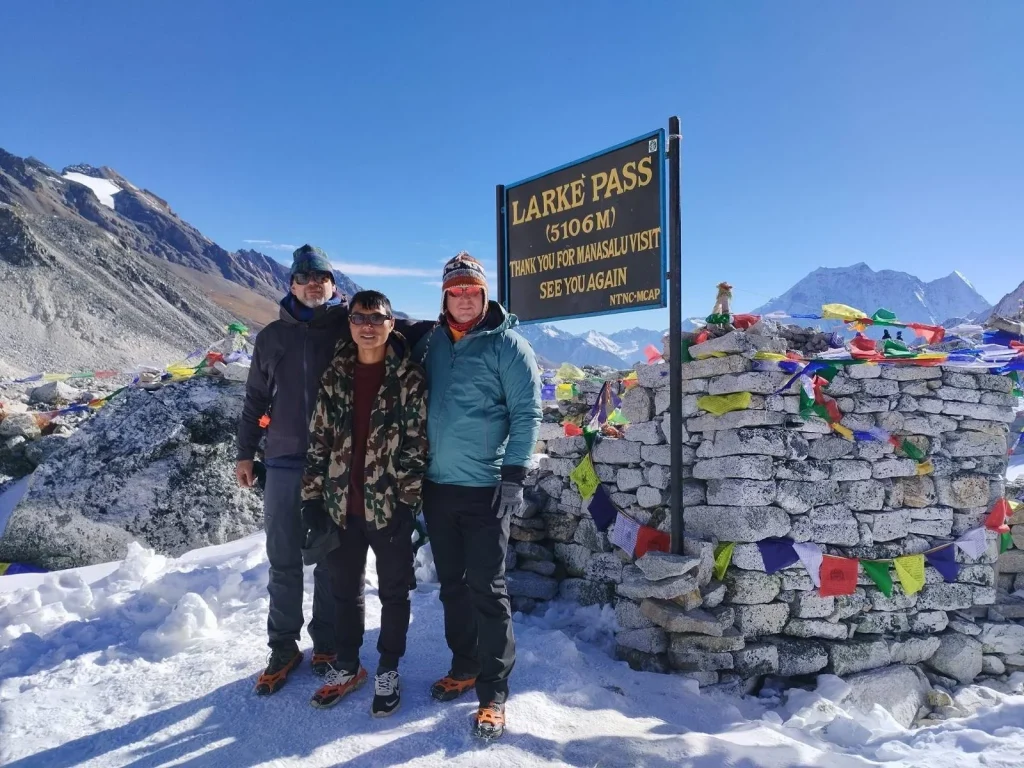
The Manaslu Circuit Trek circles Mount Manaslu, the eighth-highest mountain in the world, in a region that only opened to trekkers relatively recently. It’s a restricted area, meaning you’ll need a special permit and, in most cases, a licensed guide — which alone tells you this isn’t a casual weekend trail. The trek usually takes 14 to 18 days and crosses the Larkya La Pass at over 5,100 meters, a genuinely tough high-altitude crossing that separates this trek from the more forgiving routes.
Because of the permit system and remoteness, the Manaslu Circuit Trek attracts far fewer trekkers than Annapurna or Everest, and that’s exactly the appeal for a lot of people.
Highlights of Manaslu Circuit Trek
Expect far fewer crowds, villages that still feel untouched by mass tourism, and a strong Tibetan-influenced culture as you move closer to the pass. The mountain scenery is arguably some of the rawest in Nepal, and crossing Larkya La itself is a full-day, high-altitude push that most trekkers remember as the hardest and most rewarding day of the entire journey.
Why Choose Manaslu Circuit Trek?
This one’s built for experienced trekkers. If you’ve already done a Himalayan trek and want something rawer, or you’re the type who actively seeks out untouched landscapes rather than well-trodden ones, Manaslu delivers. It’s not the trek to start with — it’s the one you graduate to.
Langtang Valley Trek: A Short and Beautiful Himalayan Journey
Overview of Langtang Valley Trek
Langtang sits refreshingly close to Kathmandu — just a few hours’ drive — which makes the Langtang Valley Trek one of the most accessible options in the country. Most itineraries run 7 to 10 days, and the difficulty is generally easier than Annapurna or Manaslu, making it a solid choice for travelers with limited time or moderate fitness. The trail runs through Langtang National Park, and the Tamang communities along the way add a rich cultural layer to what’s already a beautiful walk.
Highlights of Langtang Valley Trek
You’ll get striking mountain views without the long approach of other treks, along with a visit to Kyanjin Gompa, a centuries-old monastery perched at altitude. Local villages, dense forest landscapes, and a traditional way of life that hasn’t changed much in generations all make this trek feel far bigger than its relatively short duration suggests.
Why Choose Langtang Valley Trek?
If you’re short on vacation days but don’t want to compromise on scenery, this is your route. It’s also a genuinely beginner-friendly Himalayan trek, combining culture and nature in a package that doesn’t demand weeks off work or serious high-altitude conditioning.
Mardi Himal Trek: Nepal’s Hidden Gem Trekking Route
Overview of Mardi Himal Trek
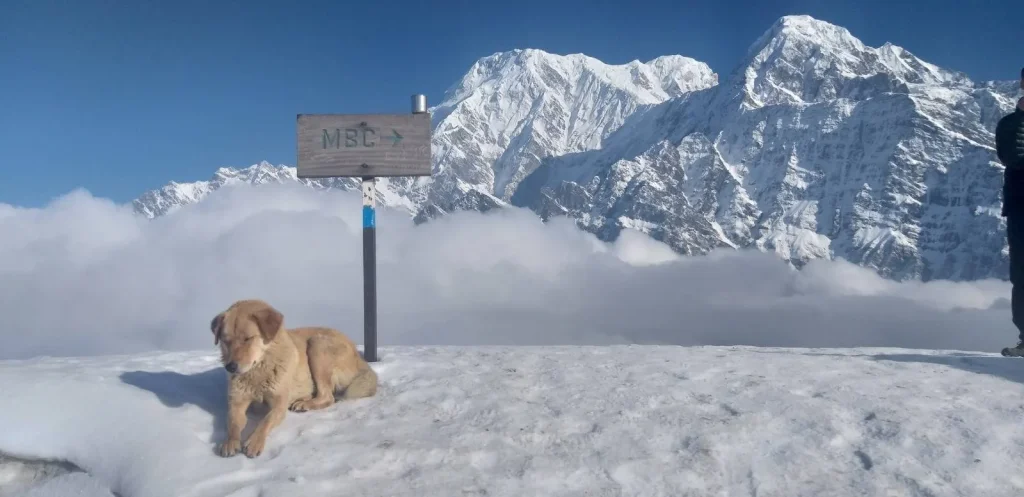
Tucked into the Annapurna region but largely overlooked until recent years, the Mardi Himal Trek is quickly becoming a favorite among travelers who’ve heard the crowds on the classic routes are getting out of hand. It typically takes 5 to 8 days, sits at a moderate difficulty level, and climbs toward Mardi Himal Base Camp along a narrow scenic ridge that feels almost cinematic.
Highlights of Mardi Himal Trek
The trails here are noticeably quieter than Annapurna Base Camp or Everest routes, yet the views rival both — sweeping Annapurna mountain vistas and up-close angles of Machhapuchhre that you simply don’t get elsewhere. Sunrise and sunset from the upper viewpoints are the kind of thing that fills up camera rolls fast, and honestly, it’s one of the best treks in Nepal for photography.
Why Choose Mardi Himal Trek?
Short, peaceful, and beginner-friendly, the Mardi Himal Trek is ideal if you want a real Himalayan adventure without the long time commitment or the crowds of more famous trails. Think of it as the quieter cousin to Annapurna Base Camp.
Annapurna Base Camp vs Manaslu Circuit vs Langtang Valley vs Mardi Himal Trek
Which Trek Is Best for Beginners?
Langtang Valley and Mardi Himal are the gentlest on fitness and altitude, with shorter walking days and lower maximum elevations. Annapurna Base Camp is moderate and still manageable for first-timers with decent fitness. Manaslu, with its long duration and 5,100m pass, is best left until you have some trekking experience under your belt.
Which Trek Offers the Best Mountain Views?
Annapurna Base Camp gives you the closest, most immersive scenery since you’re literally walking into a ring of peaks. Manaslu offers raw, wild views few tourists ever see. Langtang delivers solid mountain landscapes with less effort, and Mardi Himal surprises people with ridge-top panoramas that rival much longer treks.
Which Trek Is Best for a Remote Experience?
The Manaslu Circuit Trek wins here, hands down — restricted permits keep numbers low. Mardi Himal is the best “remote-feeling” option within the busier Annapurna region if you don’t have time for a full restricted-area trek.
Which Trek Is Best for Short Holidays?
If you’ve only got a week or so, Langtang Valley Trek and Mardi Himal Trek are your best bets, with shortened Annapurna Base Camp itineraries also available for travelers on a tighter schedule.
Best Time for Annapurna, Manaslu, Langtang and Mardi Himal Trek
Spring Season (March–May)
Spring brings warmer days, blooming rhododendron forests, and generally good mountain visibility, though afternoon haze can occasionally roll in.
Autumn Season (September–November)
This is peak season for a reason — clear skies, stable weather, and the best overall mountain visibility of the year. It’s also the busiest, so book accommodation early if you’re going during October.
Winter and Monsoon Trekking
Winter brings cold temperatures and snow at higher altitudes, which can close passes like Larkya La. Monsoon season (June–August) means rain, leeches, and clouded views, though Manaslu and other rain-shadow areas can still be trekked with the right preparation. Lower routes like Langtang and Mardi Himal are more forgiving in the shoulder seasons than Manaslu’s high pass.
Nepal Trekking Cost Guide: Budget Before Your Journey
Nepal trekking cost varies a lot depending on the route, season, and how you organize your trip. A rough trekking package price for Annapurna Base Camp or Mardi Himal usually runs lower than Manaslu, simply because Manaslu requires special permits and a mandatory guide. Budget trekking Nepal figures should account for guide and porter fees, permit costs, tea house accommodation, meals along the trail (which get pricier the higher you climb), transportation to and from the trailhead, and any gear you need to rent or buy. It’s worth budgeting a bit extra for emergencies — altitude sickness, weather delays, or an unplanned night at a lodge.
Permits Required for Nepal Trekking Routes
Each trek has its own permit requirements. Annapurna Base Camp needs the Annapurna Conservation Area Permit. Manaslu requires the Manaslu Restricted Area Permit, plus an additional conservation area permit. Langtang Valley requires the Langtang National Park Permit. And nearly all independent trekkers across these regions will also need a TIMS card, which helps track trekkers for safety purposes.
Essential Packing List for Nepal Trekking
A good trekking boots and backpack combo is non-negotiable, along with layered warm clothes for cold nights at altitude. Pack waterproof gear for sudden weather shifts, trekking poles to save your knees on steep descents, personal medicine (including altitude sickness tablets), a reusable water bottle, and a sleeping bag rated for near-freezing temperatures, even in the tea houses.
How to Prepare for Annapurna, Manaslu, Langtang and Mardi Himal Trek
Physical training matters more than most people expect. Start with regular cardio a few months out, add walking practice with a loaded backpack, and build up leg strength for long descents. Altitude preparation — going slow, acclimatizing properly, and staying hydrated throughout the trek — is honestly more important than raw fitness for avoiding altitude sickness.
How to Choose the Right Trekking Company in Nepal
Look for licensed guides, clear safety standards, and transparent pricing that doesn’t hide extra fees until the last minute. Check reviews and reputation before booking, and favor companies that practice responsible tourism — fair wages for porters, sustainable trekking practices, and genuine local community involvement.
Travelers who want more guidance about Nepal trekking options can explore resources from Everest Trekking Routes, where detailed information about Himalayan routes, trekking experiences, and adventure planning helps visitors understand different journeys before making their final decision.
Final Thought: Finding Your Perfect Nepal Trekking Adventure
At the end of the day, there’s no single “best” trek in Nepal — just the one that fits what you’re actually looking for. The Annapurna Base Camp Trek gives you the classic, close-up Himalayan experience. The Manaslu Circuit Trek is for those chasing remote, untouched adventure. Langtang Valley Trek blends culture and accessibility for travelers short on time. And the Mardi Himal Trek offers a short, peaceful mountain escape away from the crowds.
Whichever trail you choose, you’re signing up for something that stays with you long after the blisters heal. Pack smart, train a little, and go slow enough to actually enjoy the mountains — they’ve been there a long time, and they’re not going anywhere.
Contect information
Everest Trekking Routes Pvt. Ltd.
16 Khumbu, Nayabazaar, Kathmandu, Nepal
Mobile : +977-9843467921 (Rabin)
Email: [email protected]
URL:– www.everesttrekkingroutes.com
