
Modern roofing companies face mounting pressure to complete jobs faster without sacrificing quality. The advancement of technology has fundamentally transformed how roofing professionals approach repair work, from initial inspection to final installation. These innovations have reduced labor time, improved safety outcomes, and delivered more reliable results for homeowners. Understanding how technology shapes the roofing industry today provides insight into why repair timelines and costs have become more predictable.
1. Drone Inspections and Aerial Imaging
Drones have revolutionized the way roofing contractors assess damage and plan repairs. Previously, inspectors had to physically climb onto roofs, creating safety risks and consuming significant amounts of labor time. Modern drones equipped with high-resolution cameras and thermal imaging sensors can capture detailed footage of roof conditions from the ground, reducing the need for prolonged roof access.
These devices can identify problem areas such as missing shingles, water intrusion, storm damage, and structural concerns that might not be obvious during a standard visual assessment. The ability to gather comprehensive data quickly allows contractors to evaluate roofing systems more efficiently and with greater accuracy.
The information collected by drones streamlines the repair process from the beginning. Contractors can review aerial images, identify potential challenges, and prepare materials before arriving on-site. Thermal imaging technology can also reveal hidden moisture issues and areas of heat loss, creating opportunities to address insulation concerns during roofing repairs rather than scheduling additional work later.
2. Advanced Materials and Installation Tools
Technological developments in roofing materials have made repairs both faster and more durable. Modern shingles, synthetic underlayments, and roofing membranes are designed for better performance, easier handling, and quicker installation. Many products now offer enhanced resistance to wind, impact damage, and ultraviolet exposure while remaining lightweight and simple to install.
Improved fastening systems and advanced adhesive technologies also contribute to greater efficiency. Materials can often be secured more quickly while maintaining reliable long-term performance. These improvements reduce labor requirements and help projects move forward with fewer delays.
Installation equipment has evolved alongside roofing materials. Pneumatic nail guns, cordless power tools, electric metal-cutting tools, and digital measurement devices allow crews to work more efficiently and accurately. These tools reduce physical strain while helping contractors maintain consistent installation quality.
For Texas homeowners looking to take advantage of modern roofing practices, Austin Roofing Replacement services often incorporate advanced materials and installation techniques that align with current industry standards and performance expectations.
3. Software and Project Management Platforms
Digital technology has transformed the way roofing companies manage repair projects. Modern project management software helps contractors schedule crews, coordinate deliveries, track progress, and maintain communication throughout the entire repair process.
Mobile applications enable roofing professionals to access plans, work orders, photographs, safety procedures, and customer information directly from smartphones or tablets. This instant access to information minimizes confusion and reduces downtime caused by paperwork or communication delays.
Estimating software has also significantly improved project planning. Instead of relying solely on manual calculations, roofing contractors can use sophisticated programs that analyze measurements, materials, labor requirements, and local pricing data. These tools help produce more accurate estimates and realistic timelines.
For homeowners, this translates into clearer project expectations, fewer surprises, and improved communication throughout the repair process.
4. Safety Technology and Monitoring Systems
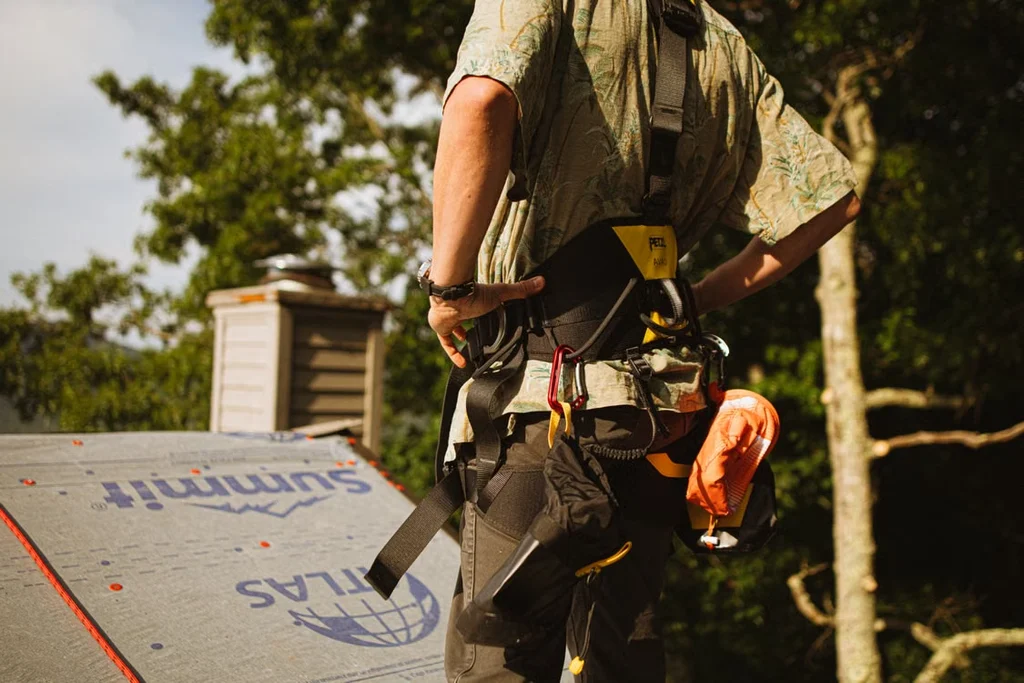
Safety remains one of the most important aspects of roofing work, and technology has greatly improved how contractors protect their crews. Modern fall-protection systems include advanced harnesses, anchoring equipment, and shock-absorbing components designed to reduce injury risks.
Communication technology also plays a significant role. Headsets, mobile devices, and real-time communication platforms allow crew members and supervisors to stay connected throughout the workday. Quick communication can help prevent accidents and improve coordination during repairs.
Weather-monitoring technology has become another valuable tool. Roofing contractors now rely on applications and forecasting platforms that provide real-time information about wind speeds, temperature changes, precipitation, and severe weather threats. These systems allow crews to make informed decisions about when to work and when conditions could compromise safety or installation quality.
By reducing weather-related mistakes and workplace injuries, contractors can keep projects on schedule while maintaining high standards of workmanship.
5. Data Analytics and Predictive Maintenance
Data-driven decision-making is becoming increasingly common in the roofing industry. Contractors can now analyze information gathered from inspections, previous projects, and performance records to identify patterns that influence roof longevity.
This information allows roofing professionals to recommend preventive maintenance strategies tailored to a home’s specific conditions. Rather than responding only after damage occurs, contractors can help homeowners address vulnerable areas before they become major repair issues.
Artificial intelligence and machine learning technologies are also beginning to play a larger role in roof evaluations. Advanced software can analyze photographs and inspection data to identify subtle signs of deterioration that might otherwise be overlooked. These systems compare current conditions to historical performance patterns, helping contractors identify potential problem areas earlier.
Early detection often results in smaller repairs, lower costs, and longer roof lifespans. Homeowners benefit from proactive maintenance recommendations that reduce the likelihood of emergency repairs and unexpected expenses.
6. Digital Customer Communication and Documentation
Another significant advancement is the improvement in customer communication through digital platforms. Roofing companies can now provide homeowners with detailed inspection reports, photographs, videos, and progress updates electronically.
Instead of relying solely on verbal explanations, contractors can show exactly where damage exists and explain recommended repairs using visual documentation. This transparency helps homeowners make informed decisions and better understand the condition of their roofs.
Digital records also make it easier to track maintenance history, warranty information, inspection reports, and completed repairs. Having this information readily available simplifies future maintenance planning and can even be beneficial during real estate transactions.
Conclusion
Technology has fundamentally reshaped the roofing repair industry by improving efficiency, accuracy, safety, and communication. Drone inspections and thermal imaging provide faster and more detailed assessments, while advanced roofing materials and specialized tools help contractors complete repairs more effectively. Software platforms streamline project management, improve estimating accuracy, and enhance communication between crews and homeowners.
At the same time, modern safety systems reduce workplace risks, and data analytics help identify roofing problems before they become costly emergencies. As technology continues to evolve, homeowners can expect roofing repairs to become even more precise, efficient, and cost-effective. Investing in contractors who utilize modern tools and techniques can help ensure a smoother repair experience and longer-lasting results for one of the most important components of any home.
