
Whether you’re a weekend runner chasing a personal best or a seasoned endurance athlete eyeing your next big challenge, there’s something genuinely fascinating about watching elite performers push the absolute limits of human capability. Extreme altitude events — climbing the world’s highest peaks under race conditions — offer some of the most instructive lessons in sports science, mental fortitude, and physical preparation available anywhere.
Understanding how the best athletes prepare for these demands won’t just satisfy your curiosity. It will make you a better, smarter athlete in whatever discipline you pursue.
Why Altitude Changes Everything
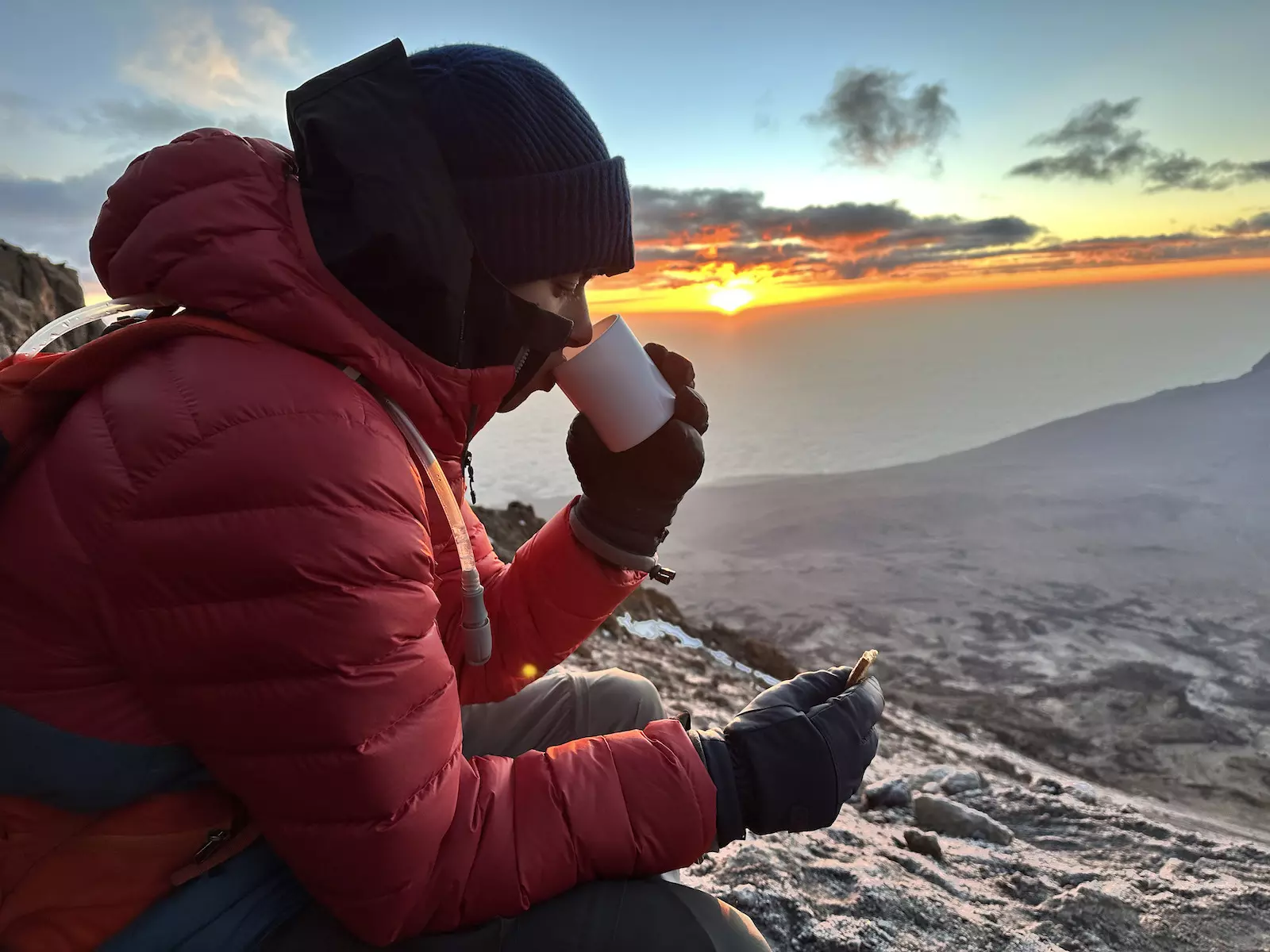
At sea level, the air contains roughly 21% oxygen — the same percentage found at altitude, as it happens. What changes dramatically as you climb is the partial pressure of that oxygen, meaning your body struggles to extract enough of it with each breath. At 5,895 metres — the summit of Kilimanjaro — you’re breathing air that delivers approximately 50% less oxygen to your bloodstream than you’d receive at sea level.
The physiological consequences are significant. Heart rate climbs. Cognitive function dips. Muscular output drops. Even elite athletes with exceptional cardiovascular fitness can be humbled by altitude in ways that flat-terrain performance simply doesn’t predict. This is why specific preparation matters so much — and why the training methods of altitude specialists are worth studying closely.
Building the Aerobic Engine
The foundation of any serious altitude preparation is an enormous aerobic base. Athletes targeting extreme elevation events typically spend months — sometimes years — developing their VO2 max and lactate threshold through consistent, high-volume training. Long slow distance work, tempo runs, and structured interval sessions all play a role.
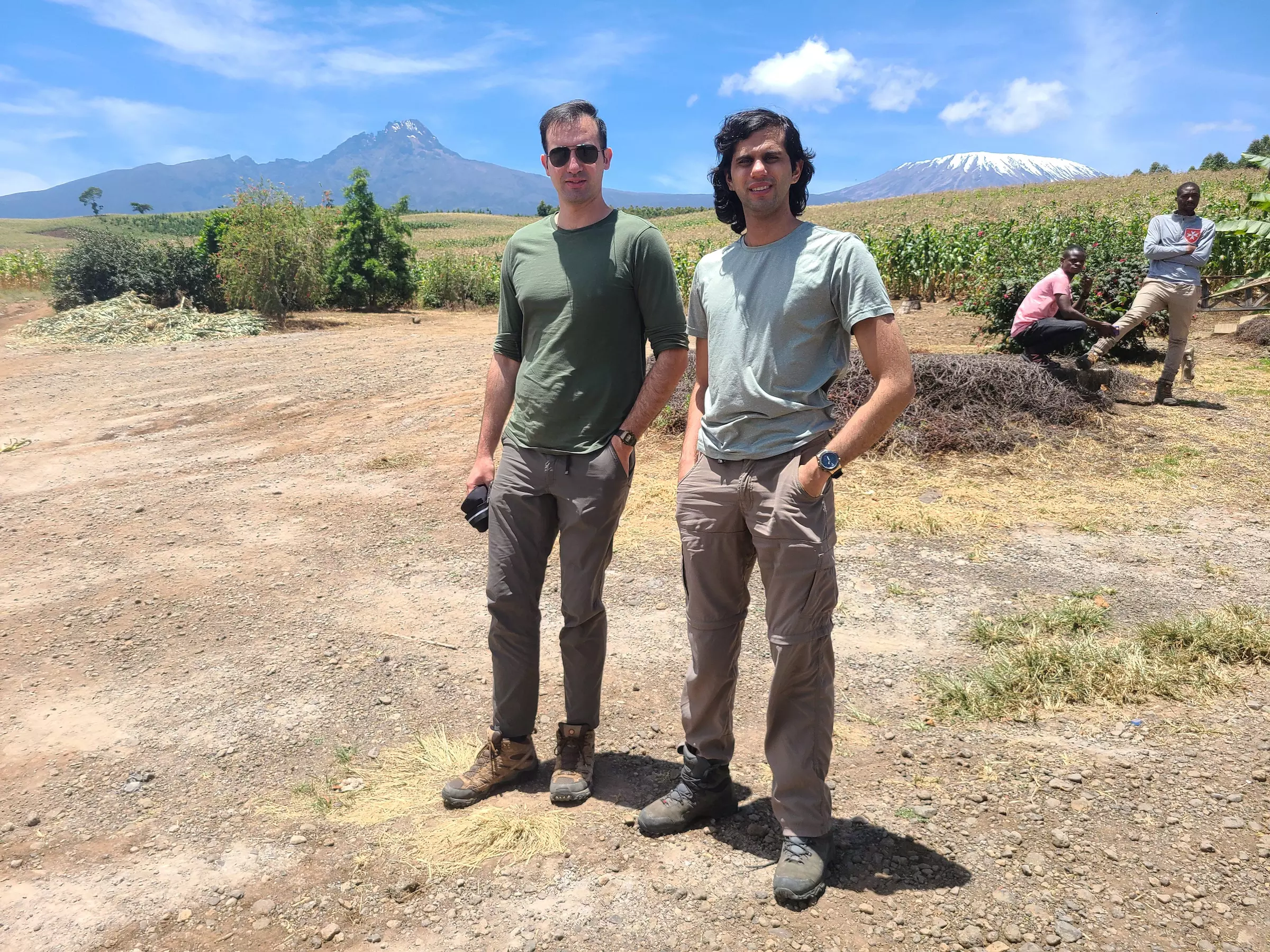
What distinguishes altitude-focused training from standard endurance preparation is the deliberate use of hypoxic exposure. Altitude tents, training camps at elevation, and carefully structured ascents allow the body to begin producing additional red blood cells and improving oxygen-carrying efficiency before the main event. This adaptation takes weeks to develop meaningfully, which is why serious athletes begin altitude-specific conditioning long in advance.
Strength, Efficiency, and the Forgotten Variables
Many athletes make the mistake of treating altitude events as purely cardiovascular challenges. In reality, muscular endurance and movement efficiency are equally critical. Every unnecessary calorie burned through poor technique or weak stabilising muscles is a calorie that can’t power your ascent.
Athletes preparing for Kilimanjaro specifically need exceptional leg endurance, strong hip flexors, and the kind of core stability that keeps form intact over many hours of continuous climbing. Strength training — particularly single-leg movements, weighted step-ups, and loaded carries — features prominently in the preparation plans of serious summit athletes.
Nutrition strategy at altitude adds another layer of complexity. Appetite suppression is common above 4,000 metres, yet the caloric demands remain high. Training the gut to accept food under stress, and experimenting with easily digestible energy sources, forms a critical part of preparation that recreational athletes often overlook entirely.
The Mental Game at Extreme Elevation
Physical capacity only takes you so far. The psychological demands of sustained effort at altitude — where every step feels disproportionately difficult and the mind is operating on reduced oxygen — require their own specific training. Experienced altitude athletes develop what sports psychologists call attentional control: the ability to focus narrowly on immediate process goals rather than being overwhelmed by the scale of what remains ahead.
Visualisation, breath-work practices, and deliberate discomfort training during preparation all build this mental resilience. Athletes who’ve studied their chosen Kilimanjaro summit route in granular detail — knowing precisely what each section demands and what landmarks signal progress — report significantly better psychological performance when conditions become brutal.
Learning From a Current Record Attempt
One of the most compelling examples of altitude performance preparation unfolding right now involves John Rees-Evans, founder of Team Kilimanjaro. In July 2026, he is mounting a Kilimanjaro speed record attempt that begins not from the standard trailhead but from the mountain’s true geographic base at 777 metres above sea level — requiring a staggering 5,105 metres of total vertical gain to reach Uhuru Peak. That’s a fundamentally different challenge from any previously recorded attempt, demanding preparation that accounts for extraordinary duration as well as extreme altitude.
Following athletes like Rees-Evans offers recreational sportspeople a masterclass in structured ambition: setting objectives that require genuine sacrifice, building preparation methodically over time, and embracing the uncertainty that comes with attempting something that hasn’t been done before.
What You Can Take Away
You don’t need to be chasing speed records on Africa’s highest peak to benefit from altitude athletes’ preparation principles. Build your aerobic base patiently. Don’t neglect strength work. Train your mental resilience as deliberately as your physical fitness. And study your chosen challenge until you know it inside out.
The mountains have a way of making honest athletes of us all.
