
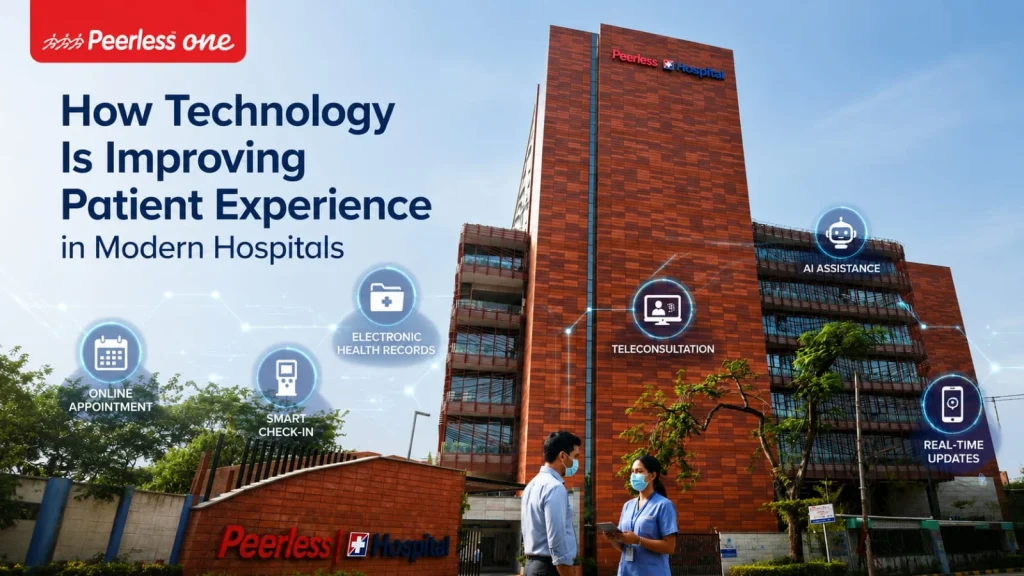
Modern healthcare is not confined only to the competence of physicians. Nowadays, healthcare technology is becoming an equal partner in determining the way the patients receive healthcare, communicate with healthcare providers and undergo treatment. From scheduling appointments to diagnostics and monitoring, technology is enabling hospitals to provide safe, fast and patient-oriented healthcare.
Peerless is known for its reputation in the areas of excellence, integrity, and innovation while delivering value in all its diverse organisations with purpose for the communities they serve. Their services make many facilities smoother across industries.
Having more than three decades’ worth of healthcare experience, Peerless Hospitals concentrate on quality care, communication, and personalised treatment. Not only do they provide patient-oriented clinical treatment but also educate individuals about their medical problems and treatment options.
Why Healthcare Technology is Revolutionising Contemporary Patient Experience
The introduction of healthcare technology has transformed the way hospitals deal with patients. Instead of helping only with carrying out medical activities, technology helps with all activities of healthcare service, including making appointments and checking up on patients after their treatment:
- Rapidly Accessible Healthcare Services
Automated registration processes, appointment scheduling via electronic means, and automated patient management systems help to save time while ensuring that the work within a clinic is done in an efficient manner. It enables patients to perform some formalities even prior to getting to the hospital.
- Improved Patient-to-Patient Communication
The use of modern-day communication means has made it easier for doctors to share with patients their treatment protocols, medical test results, and other important recommendations. Improved communication helps people to be more informed about their illness and take part in the process of treatment.
- Increased Accuracy of Health Information Management
Electronic medical records have revolutionised the process of collecting, storing, and updating the information about a patient’s health status. With the help of such a tool, it is possible for authorised medical specialists to get access to the full medical history of a patient fast.
- Enhancing Safe Clinical Decisions
With the help of advanced diagnostic devices, imaging technology, and smart monitoring equipment, clinicians get quick access to medical data. They can make accurate diagnoses and react appropriately whenever the health status of patients changes.
Technology Helps Deliver More Quality Healthcare
The true value of healthcare technology lies not only in technology itself or advanced technology. This is much more about the availability of healthcare, better organisation of the healthcare delivery system like Peerless Hospitals in Kolkata and its orientation towards patients due to improved communication, reduced time, better decision-making processes and giving healthcare professionals more efficient ways to provide safe and personalised care.
How Healthcare Technology Enhances the Patient Experience
Hospitals today are employing healthcare technology to provide experiences which are not just medically effective but also comfortable and transparent. This can be done by making sure that the digital technology is used by many departments in the hospital to make better coordination possible:
| Technology | Patient Advantage |
| Electronic Medical Records | Quick and complete medical record access |
| Online Scheduling System | Less time waiting and easier scheduling |
| Modern Diagnostic Tools | Early and precise diagnosis |
| Patient Monitoring Systems | Ongoing monitoring and rapid response |
| Telecommunication Tools | Understanding treatment procedures |
More Personalised Treatment
- Using digital records means that healthcare providers can find information about past consultations, prescriptions, allergies, and diagnostic tests rapidly, which helps in forming more personalized treatment plans.
- Using modern technologies in the health sector allows providing care teams with an ability to provide treatments according to the individual medical history and needs of a patient.
Improved Efficient Cooperation Between Departments
- Using integrated systems of information helps different departments of hospitals to exchange data concerning the patients’ condition more efficiently.
- Using healthcare technology for better coordination allows patients to go from one appointment to another without any difficulties.
Reassured By Information
- Modern technologies and tools used for communication and reporting help healthcare specialists to provide explanations regarding the diagnosis, tests, and treatment more effectively.
- Providing information to patients and making them understand everything is important, which is why healthcare technology makes people feel more confident about their condition.
Technology Supports Care but Does Not Substitute Compassion
- Even as healthcare technology is increasingly revolutionising hospitals, effective healthcare must remain people-centred. Though modern technology in medicine can enhance accuracy, efficiency and monitoring ability, the factors that will make the real difference include compassion, proficiency and personalisation.
- A clinic with modern technology and well-trained doctors can deliver better-organised patient-centred services. Technology assists in making decisions in the clinical setting, and compassion and communication assist patients to feel comfortable at each stage of the treatment process.
The Patient-Oriented Future of Healthcare Technology
i) Healthcare Technologies of the Future: The use of artificial intelligence, predictive analytics, remote monitoring, and digital technologies is allowing for better and faster diagnoses, effective decisions making and improved long-term care of patients.
ii) Innovations in Hospitals: Innovations are being used by hospitals to create experiences of healthcare services that are more interconnected and centred on the needs of every patient.
iii) Significance of Technological Development: While modern healthcare is characterised by the availability of complex technological systems, it should also be measured by the efficiency of those systems in providing safety, communications, and overall experience of healthcare services.
iv) The Future of Healthcare Services: The future of healthcare will depend on the combination of healthcare technologies and clinical skills for delivering personalised and transparent services to patients.
Technology in Healthcare Is Shaping the Future of Medicine
Further development of healthcare technologies is changing the face of medicine as we know it today. Due to better communication and reduced delays because of bureaucracy, along with better diagnostic services and personalised treatment options, technology makes it possible for hospitals to deliver care which is more efficient and patient-oriented.
Taking into account that even more progress is made in the field of healthcare, it can be said that the future belongs to those hospitals that successfully blend innovations and humane medicine. Contemporary hospitals should take advantage of their modern technologies and professionals.
FAQs
- In what ways does healthcare technology enhance the patient experience?
Healthcare technology enhances the patient experience through reduced waiting time, enhanced communication, improved diagnosis, streamlining of hospitals’ operations, and providing a more personalized treatment method.
- Why is electronic health record crucial in modern hospitals?
An electronic health record gives healthcare providers fast access to all the patient information, helping them to make better decisions.
- How do hospitals in Kolkata utilise healthcare technology?
Hospitals in Kolkata integrate healthcare technology into the patient registration process, diagnostics, workflow management, record keeping, and communication for an organised patient-centred care delivery model.
- Can healthcare technology replace doctors?
No, because healthcare technology helps healthcare providers become more efficient and make better clinical decisions; however, compassionate healthcare depends on expert doctors and nurses.
- Why is communication important in technology-enabled healthcare?
Proper communication is very important while diagnosing, planning for treatment, and recovery since the patient will have confidence in the process of his or her treatment.
