
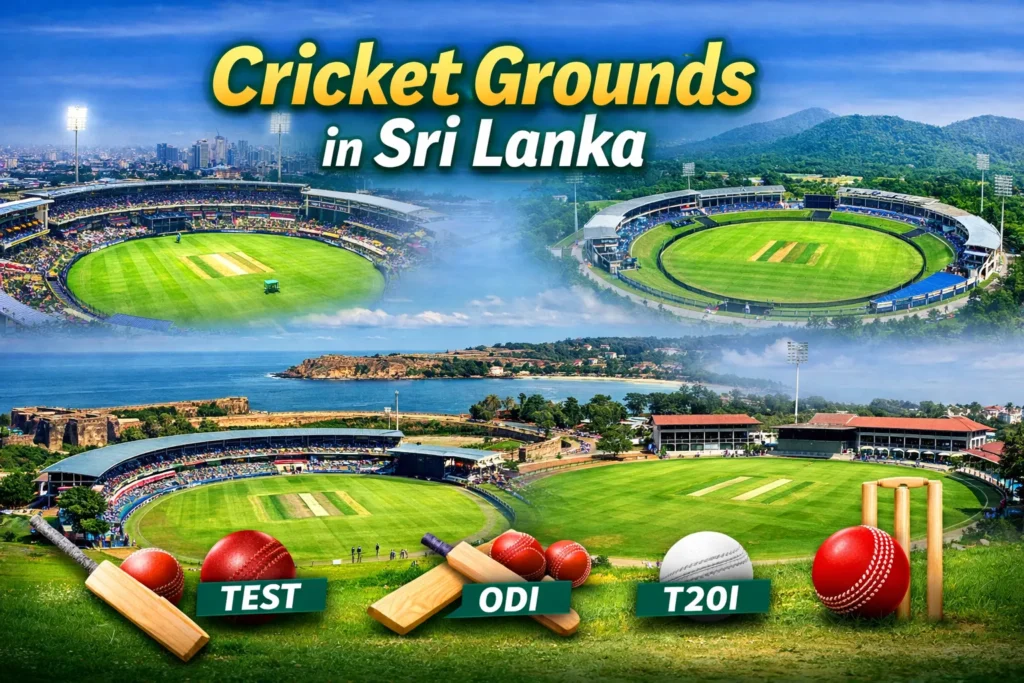
Sri Lanka is one of the most important countries in world cricket, famous for its historic cricket grounds, spin-friendly pitches, and beautiful stadium locations. From sea-side venues to modern international stadiums, cricket grounds in Sri Lanka have hosted some of the most memorable matches in cricket history.
Currently, Sri Lanka has around 15 international and major cricket stadiums, used for Test matches, One Day Internationals (ODIs), and T20 Internationals. Some grounds are more than 100 years old, while others were built recently for World Cup cricket.
Each stadium is different in terms of history, renovations, ground dimensions, pitch behavior, and average scores.
In this article, you will find a complete and detailed guide to cricket grounds and stadiums in Sri Lanka, including:
- When each stadium was built or renovated
- How many international matches were played there
- Ground dimensions and boundary size
- Average scores in Tests, ODIs, and T20Is
- Pitch behavior and playing conditions
This guide is written to help cricket fans, players, analysts, and beginners understand how Sri Lankan cricket stadiums affect the game and why these grounds are so special in international cricket.
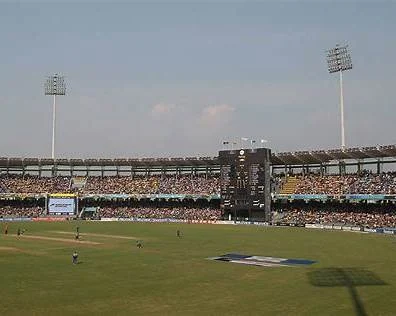
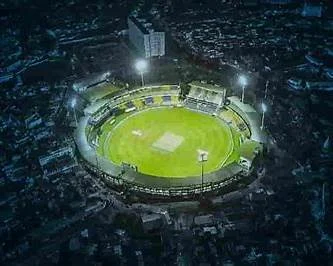
🏟️ R. Premadasa International Cricket Stadium, Colombo
History & Renovation
This stadium was opened in 1986 and was later renamed in 1994. It has been renovated multiple times to upgrade seating, floodlights, dressing rooms, and media facilities. It is the largest and busiest cricket stadium in Sri Lanka.
International Matches Played (Approx.)
- Test matches: around 9
- ODIs: over 140
- T20 Internationals: over 40
Ground Dimensions
- Straight boundary: 75–78 meters
- Square boundary: 65–70 meters
- Ground shape: Oval
Average Scores
- Test (1st innings): around 320 runs
- ODI (1st innings): around 230–240 runs
- T20I (1st innings): around 140–145 runs
Pitch Behavior
A balanced pitch. Batting is easier early, while spinners dominate later in the match.
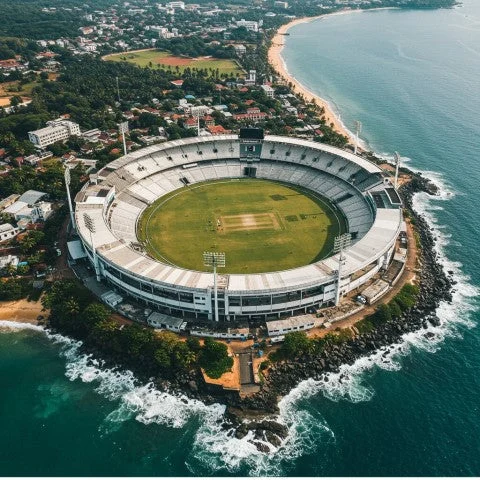
🏟️ Galle International Cricket Stadium, Galle
History & Renovation
Originally developed in 1876, this ground became a Test venue in 1998. It was severely damaged in the 2004 tsunami and was fully rebuilt and reopened in 2007. Today, it is one of the most scenic cricket stadiums in the world.
International Matches Played (Approx.)
- Test matches: around 45–50
- ODIs: under 10
- T20 Internationals: none
Ground Dimensions
- Straight boundary: 70–75 meters
- Square boundary: 65–68 meters
- Ground shape: Oval
Average Scores
- Test (1st innings): around 280–300 runs
- Limited-overs matches here are medium scoring
Pitch Behavior
Very spin-friendly pitch. Batting becomes difficult as the match progresses.
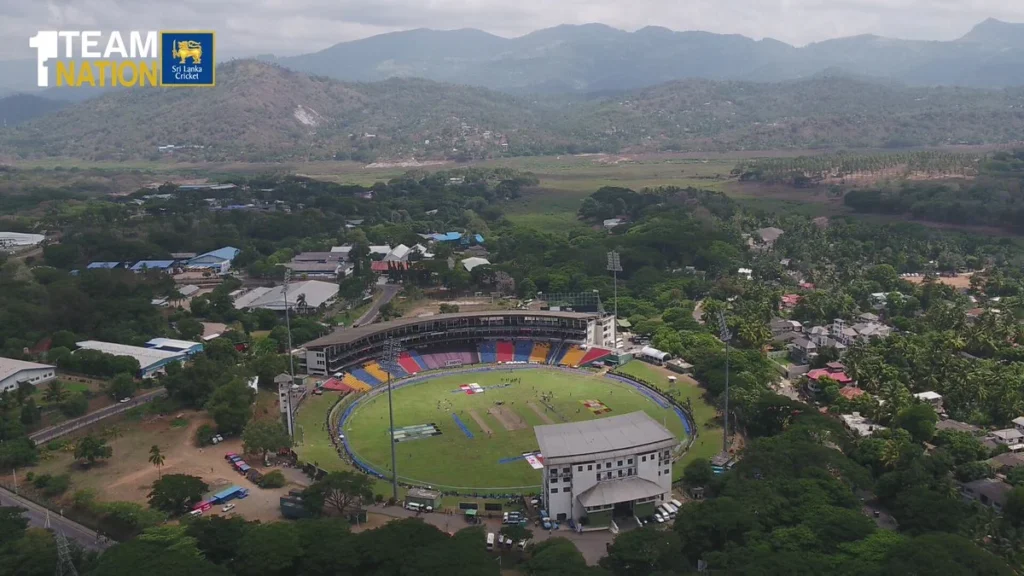
🏟️ Pallekele International Cricket Stadium, Kandy
History
This stadium was opened in 2009 and built mainly for the 2011 Cricket World Cup. It is one of the most modern cricket grounds in Sri Lanka.
International Matches Played (Approx.)
- Test matches: around 15
- ODIs: over 30
- T20 Internationals: over 25
Ground Dimensions
- Straight boundary: 75–80 meters
- Square boundary: 65–70 meters
- Ground shape: Oval
Average Scores
- ODI (1st innings): around 250 runs
- T20I (1st innings): around 165–170 runs
Pitch Behavior
A balanced pitch. Early help for fast bowlers, later good for batting. Dew plays a role in night matches.
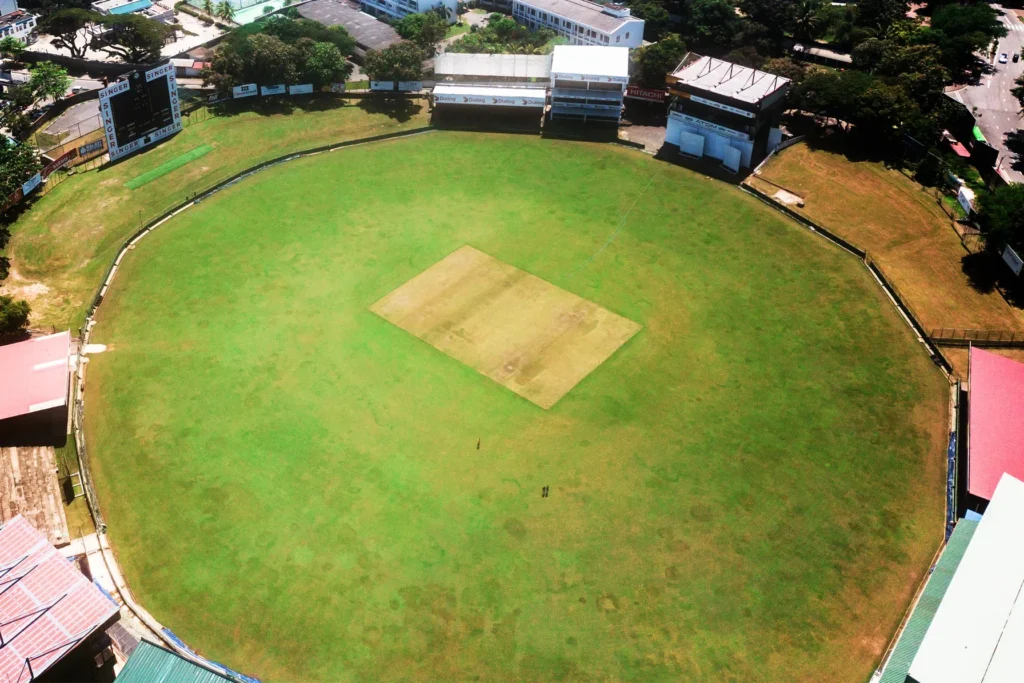
🏟️ Sinhalese Sports Club Ground (SSC), Colombo
History & Renovation
The Sinhalese Sports Club Ground was opened in 1899 and is the oldest cricket ground in Sri Lanka. Over time, it has been renovated several times, mainly to improve dressing rooms, seating, and practice facilities. It is often called the home of Sri Lankan cricket.
International Matches Played (Approx.)
- Test matches: around 45–50
- ODIs: none
- T20 Internationals: none
Ground Dimensions
- Straight boundary: 70–75 meters
- Square boundary: 65–68 meters
- Ground shape: Oval
Average Scores
- Test (1st innings): around 330–350 runs
Pitch Behavior
This is a batting-friendly pitch. The surface is flat, bounce is true, and big scores are common, especially in the first two days.
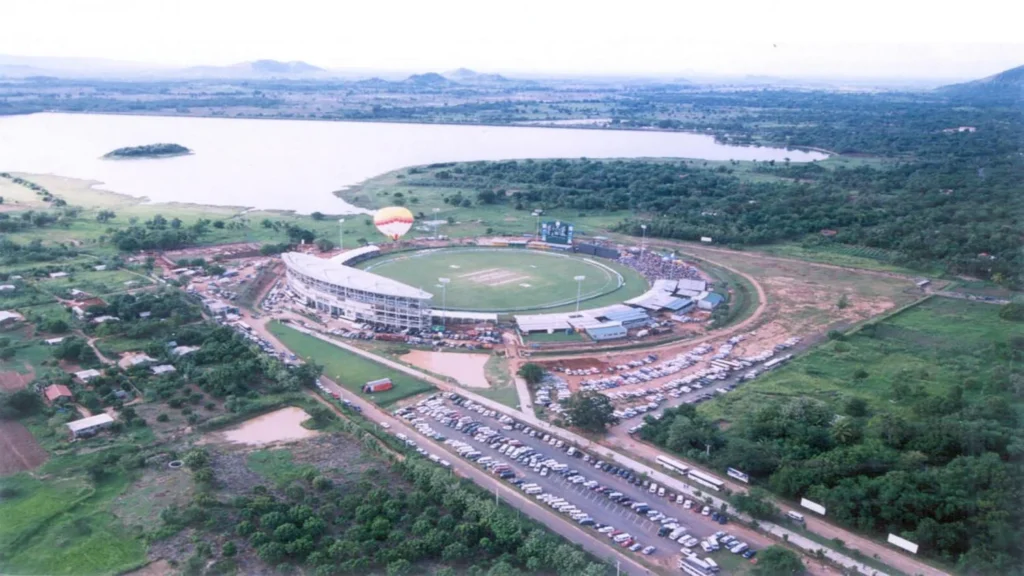
🏟️ Rangiri Dambulla International Cricket Stadium, Dambulla
History & Renovation
This stadium was built in 2000 in a record time of less than 6 months. It has undergone minor renovations to improve floodlights and spectator facilities. The ground is located near the famous Dambulla cave temple.
International Matches Played (Approx.)
- Test matches: none
- ODIs: around 20–25
- T20 Internationals: around 10–15
Ground Dimensions
- Straight boundary: 75–78 meters
- Square boundary: 65–70 meters
- Ground shape: Oval
Average Scores
- ODI (1st innings): around 240–250 runs
- T20I (1st innings): around 155–160 runs
Pitch Behavior
The pitch is slightly slow and often helps spinners. Batting is easier in day matches than night games.
Read More About Cricket Grounds in Bangladesh: History, Capacity, Matches(2026)
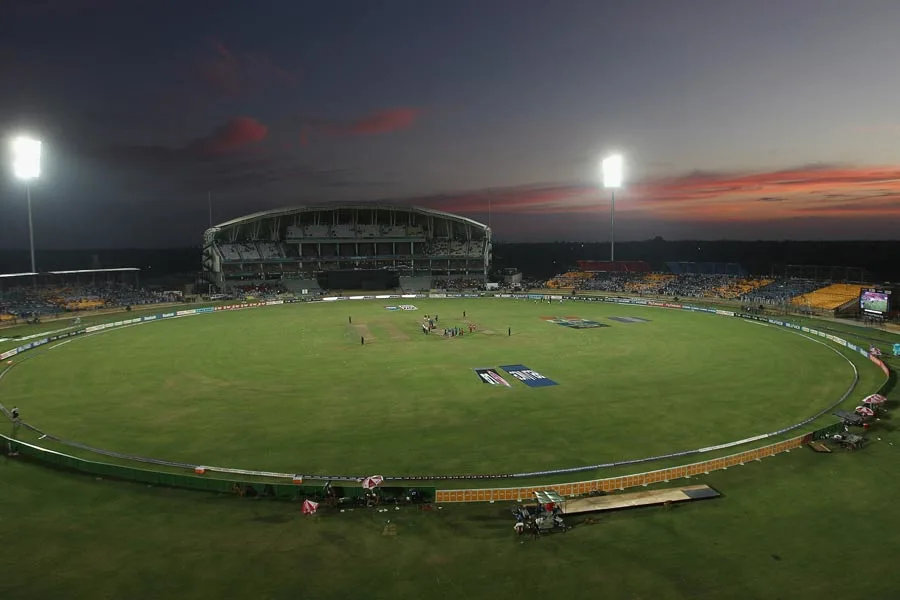
🏟️ Mahinda Rajapaksa International Cricket Stadium, Hambantota
History & Renovation
This stadium was opened in 2010 and is the newest major international cricket stadium in Sri Lanka. It was built for the 2011 Cricket World Cup. Minor renovations were later done to improve pitch quality and seating areas.
International Matches Played (Approx.)
- Test matches: none
- ODIs: around 10–15
- T20 Internationals: around 5–8
Ground Dimensions
- Straight boundary: 80–85 meters
- Square boundary: 70–75 meters
- Ground shape: Oval
Average Scores
- ODI (1st innings): around 230–240 runs
- T20I (1st innings): around 150–155 runs
Pitch Behavior
This is a large ground with long boundaries. The pitch often helps fast bowlers, and wind can play a big role in matches.
🏟️ P Sara Oval (Paikiasothy Saravanamuttu Stadium), Colombo
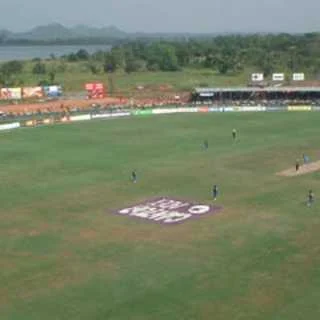
History & Renovation
P Sara Oval was opened in 1945 and is one of the most historic cricket stadiums in Sri Lanka. It was Sri Lanka’s first Test cricket venue. Over the years, the stadium has been renovated for basic facilities, but it is now rarely used for international cricket.
International Matches Played (Approx.)
- Test matches: around 15–20
- ODIs: around 10
- T20 Internationals: none
Ground Dimensions
- Straight boundary: 70–75 meters
- Square boundary: 65–68 meters
- Ground shape: Oval
Average Scores
- Test (1st innings): around 300–320 runs
- ODI (1st innings): around 230–240 runs
Pitch Behavior
Traditionally a batting-friendly pitch with good bounce. Spinners come into play later in the match.
🏟️ Asgiriya Stadium, Kandy
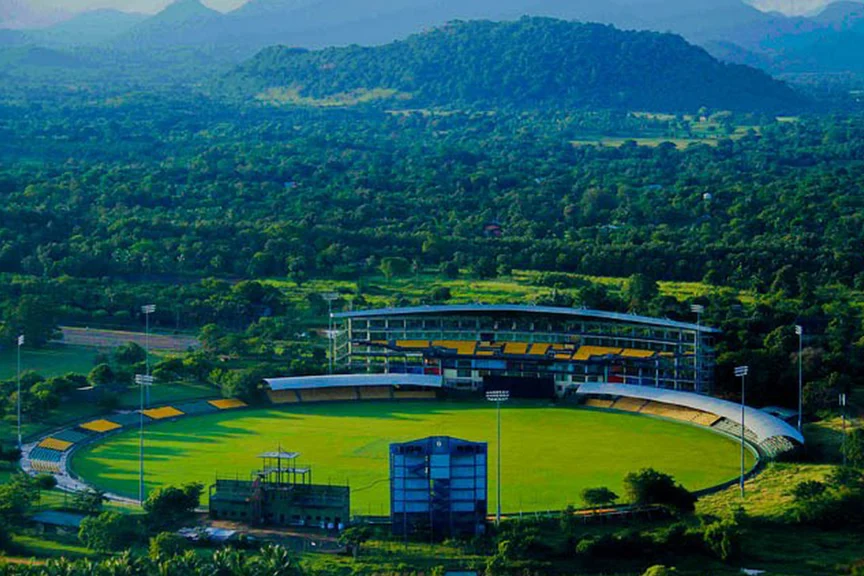
History & Renovation
Asgiriya Stadium was developed in the 1980s and became a Test venue in the 1990s. It hosted several historic matches before international cricket gradually moved to Pallekele. Minor renovations were carried out during its active years.
International Matches Played (Approx.)
- Test matches: around 7
- ODIs: none
- T20 Internationals: none
Ground Dimensions
- Straight boundary: 68–72 meters
- Square boundary: 63–66 meters
- Ground shape: Oval
Average Scores
- Test (1st innings): around 260–280 runs
Pitch Behavior
A lively pitch with early help for fast bowlers. Batting was challenging on the first two days.
🏟️ Colts Cricket Club Ground, Colombo
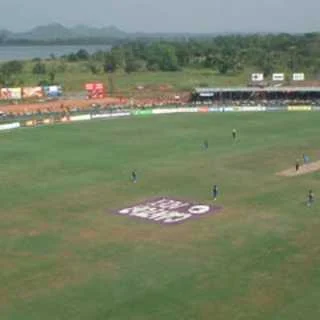
History & Renovation
Colts Cricket Club Ground is a traditional domestic cricket venue in Colombo. It has been used mainly for first-class and List-A matches. The ground has received basic upgrades, but it is not a regular international venue.
International Matches Played (Approx.)
- Test matches: none
- ODIs: none
- T20 Internationals: none
Ground Dimensions
- Straight boundary: 65–70 meters
- Square boundary: 60–65 meters
- Ground shape: Oval
Average Scores
- Domestic limited-overs average: around 220–240 runs
Pitch Behavior
Generally batting-friendly, with little assistance for bowlers.
🏟️ Tyronne Fernando Stadium, Moratuwa
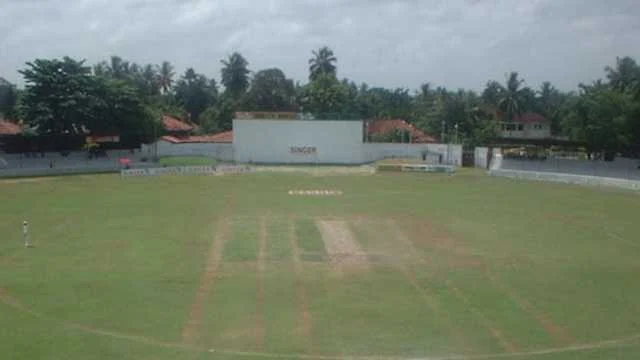
History & Renovation
This stadium is named after former Sri Lankan cricketer Tyronne Fernando. It is mainly used for domestic and youth cricket. It has hosted a few international women’s and junior matches.
International Matches Played (Approx.)
- Men’s internationals: none
- Women’s / youth internationals: few matches
Ground Dimensions
- Straight boundary: 65–70 meters
- Square boundary: 60–65 meters
Average Scores
- Limited-overs average: around 210–230 runs
Pitch Behavior
A slow pitch that often helps spinners.
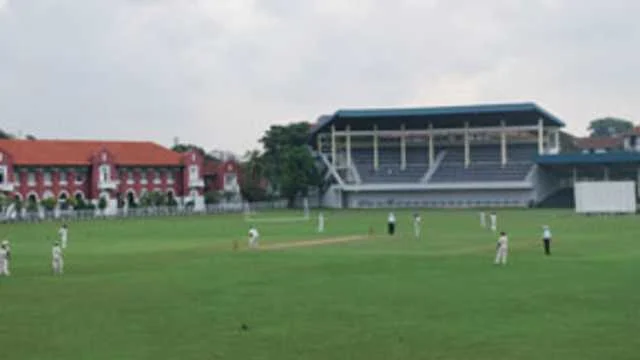
🏟️ Gaddafi Stadium (Formerly Police Park Ground), Colombo (Minor Venue)
History & Renovation
This ground has mainly served as a practice and domestic venue. It has not hosted major men’s international matches but is used for club and development cricket.
International Matches Played
- None (senior men’s internationals)
Ground Dimensions
- Straight boundary: 65–68 meters
- Square boundary: 60–64 meters
Pitch Behavior
Flat surface, good for batting practice.
❓ FAQs – Cricket Stadium Statistics in Sri Lanka
1. Which cricket stadium has hosted the most international matches in Sri Lanka?
R. Premadasa International Cricket Stadium, Colombo has hosted the most international matches, especially in ODI and T20I formats.
2. Which is the oldest cricket stadium in Sri Lanka?
The Sinhalese Sports Club Ground (SSC), Colombo, opened in 1899, is the oldest cricket stadium in Sri Lanka.
3. Which is the newest international cricket stadium in Sri Lanka?
The Mahinda Rajapaksa International Cricket Stadium, Hambantota, opened in 2010, is the newest major international stadium in the country.
4. Which Sri Lankan stadium is best for spin bowling?
The Galle International Cricket Stadium is considered the best spin-friendly ground due to its slow surface and dry conditions.
5. Which stadium has the highest average Test score in Sri Lanka?
The SSC Ground, Colombo, has one of the highest average Test scores, often between 330–350 runs in the first innings.
6. Which Sri Lankan ground is best for batting in ODIs?
R. Premadasa Stadium is known as a batting-friendly ODI ground, with average first-innings scores around 230–240 runs.
7. Which stadium has the longest boundaries in Sri Lanka?
The Mahinda Rajapaksa International Cricket Stadium has long boundaries, often 80–85 meters straight, making six-hitting more difficult.
8. Which Sri Lankan stadium has hosted the most Test matches?
The Galle International Cricket Stadium and SSC Ground are among the top Test venues, with 45+ Test matches each.
9. Which stadium in Sri Lanka is used mainly for domestic cricket?
Colts Cricket Club Ground and Tyronne Fernando Stadium are mainly used for domestic and development cricket, not regular internationals.
10. Which Sri Lankan stadium was damaged by the 2004 tsunami?
The Galle International Cricket Stadium was severely damaged in the 2004 tsunami and later rebuilt and reopened.
11. Which stadium was built specially for the 2011 Cricket World Cup?
Both Pallekele International Cricket Stadium and Mahinda Rajapaksa International Cricket Stadium were built for the 2011 World Cup.
12. Which Sri Lankan stadium is best for T20 matches?
Pallekele International Cricket Stadium is considered best for T20 cricket due to balanced pitch and moderate boundaries.
13. Are all Sri Lankan stadiums the same size?
No. Ground dimensions vary in Sri Lanka, but most stadiums follow ICC boundary limits of 65–90 meters.
14. Which stadium in Sri Lanka has the best scenic view?
The Galle International Cricket Stadium is famous worldwide for its sea view and historic fort background.
15. Why do Sri Lankan stadiums help spinners more?
Due to hot weather, dry pitches, and natural wear, many Sri Lankan grounds naturally assist spin bowling.
Conclusion
Sri Lanka has some of the most historic and unique cricket grounds in the world. From the busy R. Premadasa International Cricket Stadium to the scenic Galle International Stadium and modern venues like Pallekele, each ground has its own identity.
These stadiums are not only important because of their beauty, but also because of their match history, pitch behavior, ground dimensions, and average scores. Some grounds favor spin bowling, while others support batting or fast bowlers, making Sri Lankan cricket exciting and challenging.
Over the years, these stadiums have hosted Test matches, ODIs, T20 Internationals, World Cups, and Asia Cups, and have produced many memorable performances. Understanding Sri Lanka’s cricket grounds helps fans, players, and analysts better understand how conditions affect the game.
Overall, Sri Lankan cricket stadiums play a major role in the country’s cricket success and continue to shape the future of the sport.

Sophie Carter is a skilled sports writer with a strong focus on cricket rules, match regulations, and modern playing conditions. She specializes in explaining complex laws such as powerplay restrictions, fielding rules, no-balls, wides, and DRS decisions in a clear and reader-friendly way.
Her content helps cricket fans, students, and new followers understand on-field decisions with confidence. At SportRulez, Sophie aims to make sports rules simple, accurate, and easy to follow, so readers can enjoy every match without confusion.