
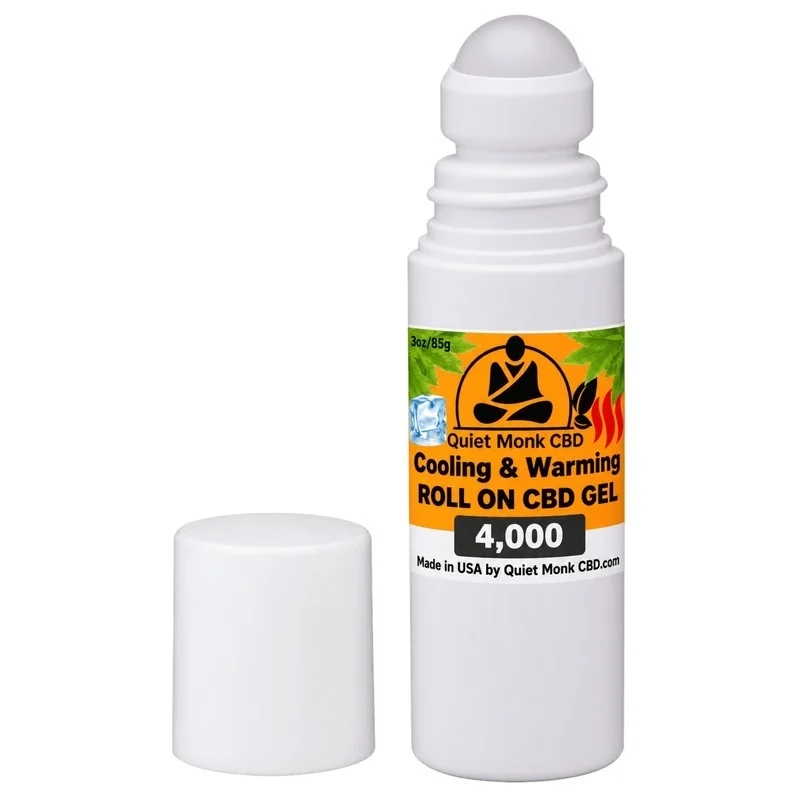
Topical gels offer a different experience from thick creams and salves. They are often chosen by people who want a product that feels lightweight, spreads easily, and fits into an active routine.
CBD gels add hemp-derived cannabidiol to this familiar topical format. Some formulas also include ingredients designed to produce cooling or warming sensations.
Before purchasing one, it helps to understand which parts of the formula actually influence the experience.
How a Gel Differs from a Salve
Texture is one of the clearest differences.
Salves are generally oil- and wax-based, giving them a thicker consistency. They may stay on the skin longer and can feel richer or oilier.
Gels are normally lighter. Depending on the formulation, they may absorb relatively quickly and leave less residue.
Creams sit somewhere between these categories and are popular when a person wants something easy to spread over a broader area.
Personal preference plays a major role in deciding which format is most comfortable.
CBD Is Only Part of the Formula
When learning about CBD gel and how it works, it is important to separate the presence of CBD from the effects created by other ingredients.
For example, menthol is commonly used to create a cooling sensation. A user may notice that cooling effect soon after application, but it should not automatically be attributed entirely to CBD.
Other components can affect texture, scent, absorption, and skin feel.
Reading the entire ingredient list gives a more realistic picture of the product.
Consider Concentration Properly
CBD topical labels often display their total cannabinoid content prominently.
Consumers should remember that total milligrams and concentration are not exactly the same measurement.
Container size matters. A large and small container containing the same total amount of CBD distribute that CBD across different amounts of product.
When comparing options, looking at total CBD together with package size provides more context.
Third-Party Testing Adds Useful Information
CBD products are easier to evaluate when manufacturers make independent testing information available.
A Certificate of Analysis can provide information about cannabinoid levels and may indicate whether THC was detected in the tested sample.
Consumers should check that the report is reasonably current and corresponds to the product or batch they are considering.
Laboratory testing should not be confused with clinical evidence. A COA can help verify product composition, but it does not prove that the gel will treat a medical condition.
Use Topicals Responsibly
CBD gels are intended for external use when labelled as topical products.
Users should follow the directions supplied with the product and avoid applying it to areas the manufacturer advises against.
People with sensitive skin may want to test a small area before broader use, particularly when the product contains menthol, fragrance, or multiple botanical ingredients.
If irritation develops, stopping use and seeking appropriate advice is generally sensible.
Know When a Gel Is Not Enough
Everyday soreness after normal activity is different from persistent or unexplained pain.
A topical product should not be used to delay assessment of an injury or neurological symptom that needs medical attention.
Recurring numbness, weakness, burning sensations, major swelling, or worsening pain are examples of symptoms that deserve proper evaluation.
CBD research continues, but CBD gels should not be presented as proven treatments for nerve damage or other medical disorders.
Conclusion
CBD gels appeal to many consumers because of their lightweight texture and targeted application. Roll-on packaging can make them particularly convenient for use away from home.
Choosing intelligently means looking beyond the CBD number. Container size, additional ingredients, cooling or warming effects, laboratory testing, skin compatibility, and application instructions all matter. With realistic expectations and careful product comparison, consumers can decide whether a CBD gel fits their personal wellness routine without confusing a topical product with established medical treatment.
