
Australia is one of the founding nations of international cricket and is famous for its fast pitches, large grounds, and historic stadiums. From century-old venues to modern multi-purpose arenas, cricket grounds in Australia have shaped the game for over 150 years.
Currently, Australia has 15+ major international cricket stadiums, with 10–12 regularly hosting Test matches, ODIs, and T20 Internationals.
- 🏟️ Oldest cricket stadium in Australia: Melbourne Cricket Ground (opened 1853)
- 🏟️ Newest major international venue: Perth Stadium (opened 2018)
- 🏟️ Largest stadium: Melbourne Cricket Ground (capacity ~100,000)
Australian stadiums are known for:
- Pace-friendly pitches
- Big boundaries
- High bounce
- Iconic Ashes history
In this article, you will find complete details of Australia’s international cricket stadiums, including history, renovations, capacity, match counts, dimensions, average scores, pitch behavior, and unique moments.
🏟️ Melbourne Cricket Ground (MCG), Melbourne
History & Renovation
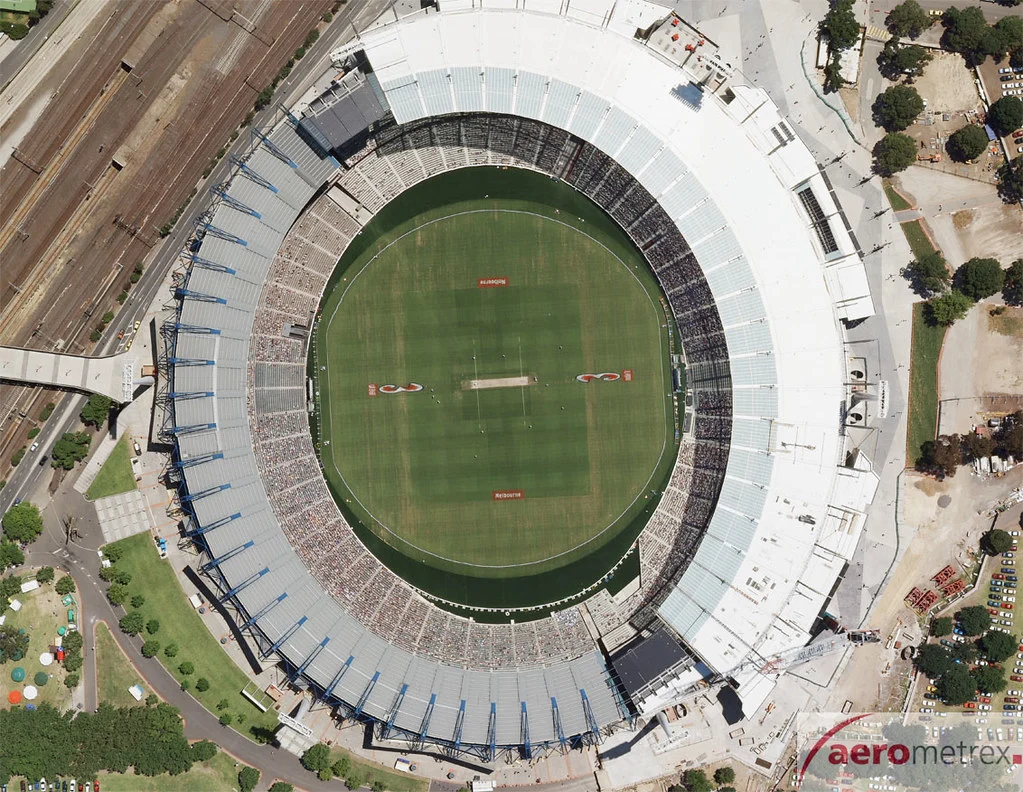
The Melbourne Cricket Ground was established in 1853 and is the most iconic cricket stadium in the world. It has undergone several major renovations, especially before the 2006 Commonwealth Games, to modernize seating and facilities.
Capacity
- Approximate capacity: 100,000 spectators
International Matches Played (Approx.)
- Test matches: 85+
- ODIs: 150+
- T20 Internationals: 15+
Ground Dimensions
- Straight boundary: 75–80 meters
- Square boundary: 80–85 meters
- Shape: Large oval
Average Scores
- Test (1st innings): around 340–360 runs
- ODI (1st innings): around 260–270 runs
- T20I (1st innings): around 160 runs
Pitch Behavior
Famous for pace and bounce. Fast bowlers enjoy assistance, especially early in the match.
⭐ What Makes MCG Unique
This is the only stadium in the world to host a Test match, World Cup final, and Olympic events, making it unmatched in sporting history.
🏟️ Sydney Cricket Ground (SCG), Sydney
History & Renovation
Opened in 1848, the SCG is one of the oldest cricket grounds in the world. It has been renovated multiple times, with major upgrades to stands and facilities completed in the 2010s.
Capacity
- Approximate capacity: 48,000 spectators
International Matches Played (Approx.)
- Test matches: 110+
- ODIs: 150+
- T20 Internationals: 20+
Ground Dimensions
- Straight boundary: 70–75 meters
- Square boundary: 75–80 meters
- Shape: Oval
Average Scores
- Test (1st innings): around 330–350 runs
- ODI (1st innings): around 260 runs
- T20I (1st innings): around 155–160 runs
Pitch Behavior
Starts good for batting but becomes spin-friendly later in Test matches.
⭐ What Makes SCG Unique
The SCG is famous for hosting the traditional New Year’s Test, a cricketing tradition followed for decades.
🏟️ Adelaide Oval, Adelaide
History & Renovation
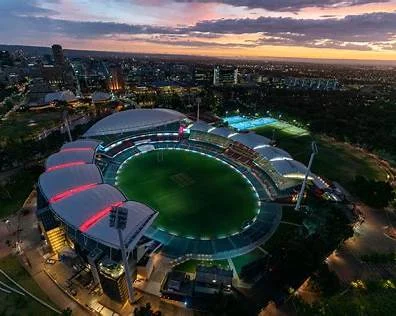
Adelaide Oval opened in 1871 and is considered one of the most beautiful cricket stadiums in the world. A major redevelopment was completed in 2014, transforming it into a modern venue.
Capacity
- Approximate capacity: 53,500 spectators
International Matches Played (Approx.)
- Test matches: 80+
- ODIs: 120+
- T20 Internationals: 20+
Ground Dimensions
- Straight boundary: 70–75 meters
- Square boundary: 75–80 meters
- Shape: Oval
Average Scores
- Test (1st innings): around 360–380 runs
- ODI (1st innings): around 270 runs
- T20I (1st innings): around 165–170 runs
Pitch Behavior
Excellent for batting, especially in day-night matches. Later stages help spinners.
⭐ What Makes Adelaide Oval Unique
This is the most successful day-night Test venue in cricket history, with dramatic pink-ball matches.
🏟️ Perth Stadium (Optus Stadium), Perth
History & Renovation
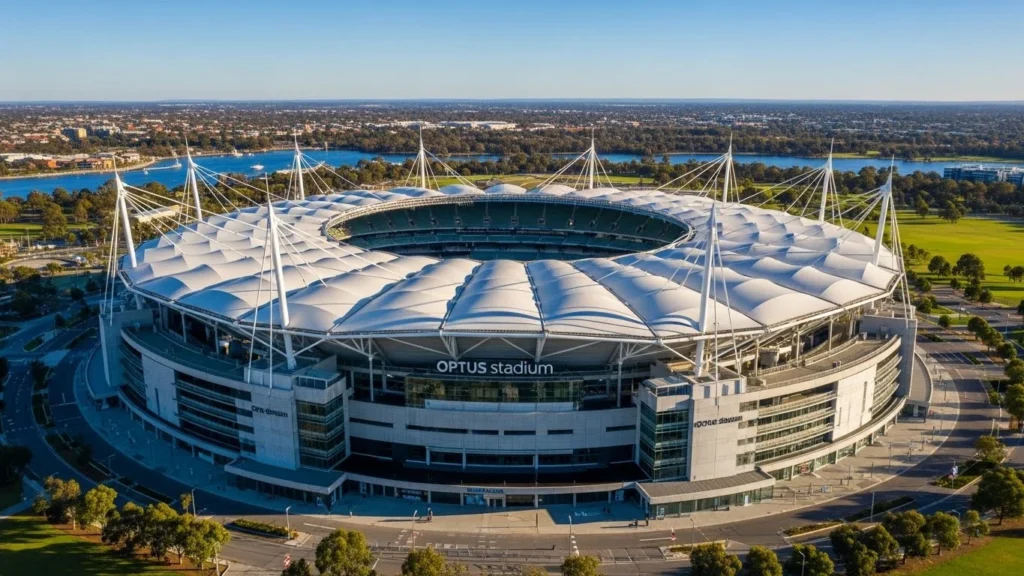
Opened in 2018, Perth Stadium replaced the old WACA Ground as Western Australia’s main international venue. It is a state-of-the-art stadium with modern seating and facilities.
Capacity
- Approximate capacity: 60,000 spectators
International Matches Played (Approx.)
- Test matches: 5+
- ODIs: 15+
- T20 Internationals: 15+
Ground Dimensions
- Straight boundary: 75–80 meters
- Square boundary: 70–75 meters
- Shape: Large oval
Average Scores
- Test (1st innings): around 350–360 runs
- ODI (1st innings): around 270 runs
- T20I (1st innings): around 165–170 runs
Pitch Behavior
Offers pace and bounce, similar to the traditional WACA surface.
⭐ What Makes Perth Stadium Unique
This is the newest Australian ground to host an Ashes Test match, symbolizing a new era of Australian cricket.
🏟️ Brisbane Cricket Ground (The Gabba), Brisbane
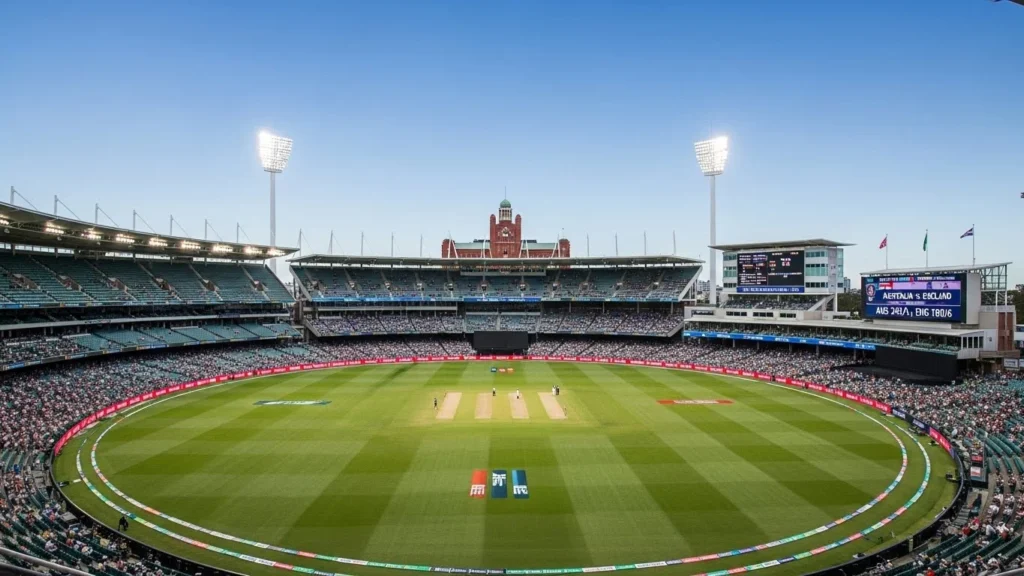
History & Renovation
The Gabba was established in 1895 and renovated extensively before the 2005–06 Ashes. It is known as one of Australia’s toughest home venues.
Capacity
- Approximate capacity: 42,000 spectators
International Matches Played (Approx.)
- Test matches: 65+
- ODIs: 90+
- T20 Internationals: 15+
Ground Dimensions
- Straight boundary: 75–80 meters
- Square boundary: 70–75 meters
- Shape: Oval
Average Scores
- Test (1st innings): around 330–350 runs
- ODI (1st innings): around 260 runs
- T20I (1st innings): around 155–160 runs
Pitch Behavior
A fast and bouncy pitch, offering early help to fast bowlers.
⭐ What Makes The Gabba Unique
Australia went more than 30 years unbeaten in Test matches at this ground, making it a fortress.
🏟️ Docklands Stadium (Marvel Stadium), Melbourne
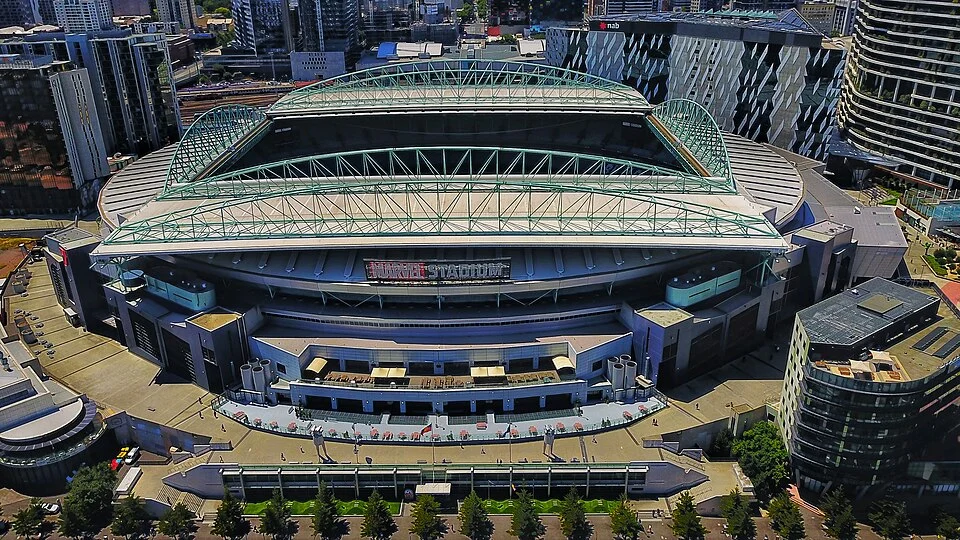
History & Renovation
Opened in 2000, Docklands Stadium is a roofed multi-purpose venue. It is mainly used for limited-overs cricket.
Capacity
- Approximate capacity: 53,000 spectators
International Matches Played (Approx.)
- Test matches: none
- ODIs: 15+
- T20 Internationals: 10+
Ground Dimensions
- Straight boundary: 65–70 meters
- Square boundary: 60–65 meters
- Shape: Oval (roofed)
Average Scores
- ODI (1st innings): around 260–270 runs
- T20I (1st innings): around 170–175 runs
Pitch Behavior
Batting-friendly surface with no weather interruptions due to the roof.
⭐ What Makes Docklands Unique
This is the only major cricket stadium in Australia with a fully retractable roof.
Read More About : Cricket Grounds in Sri Lanka: Stadiums, Stats, Dimensions & Records
🏟️ Bellerive Oval (Ninja Stadium), Hobart
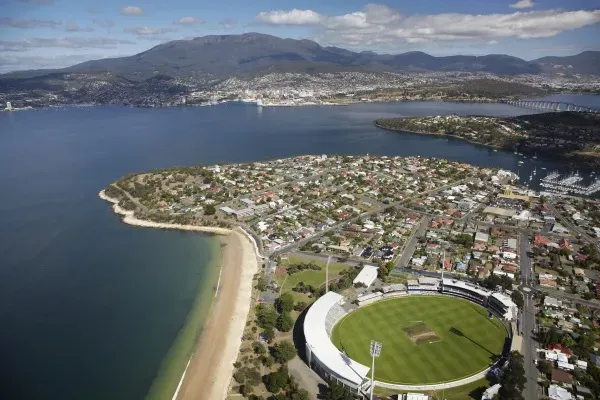
History & Renovation
Bellerive Oval became an international venue in the late 1980s and has been upgraded several times to meet modern standards.
Capacity
- Approximate capacity: 20,000 spectators
International Matches Played (Approx.)
- Test matches: 15+
- ODIs: 20+
- T20 Internationals: 15+
Ground Dimensions
- Straight boundary: 70–75 meters
- Square boundary: 65–70 meters
- Shape: Oval
Average Scores
- Test (1st innings): around 330 runs
- ODI (1st innings): around 250 runs
- T20I (1st innings): around 155–160 runs
Pitch Behavior
Balanced pitch with help for seam bowlers under cloudy conditions.
⭐ What Makes Bellerive Oval Unique
This is the southernmost international cricket stadium regularly used in the world.
Read More About : Cricket Stadiums in India: International Grounds, Capacity, Records & Stats
🏟️ Manuka Oval, Canberra
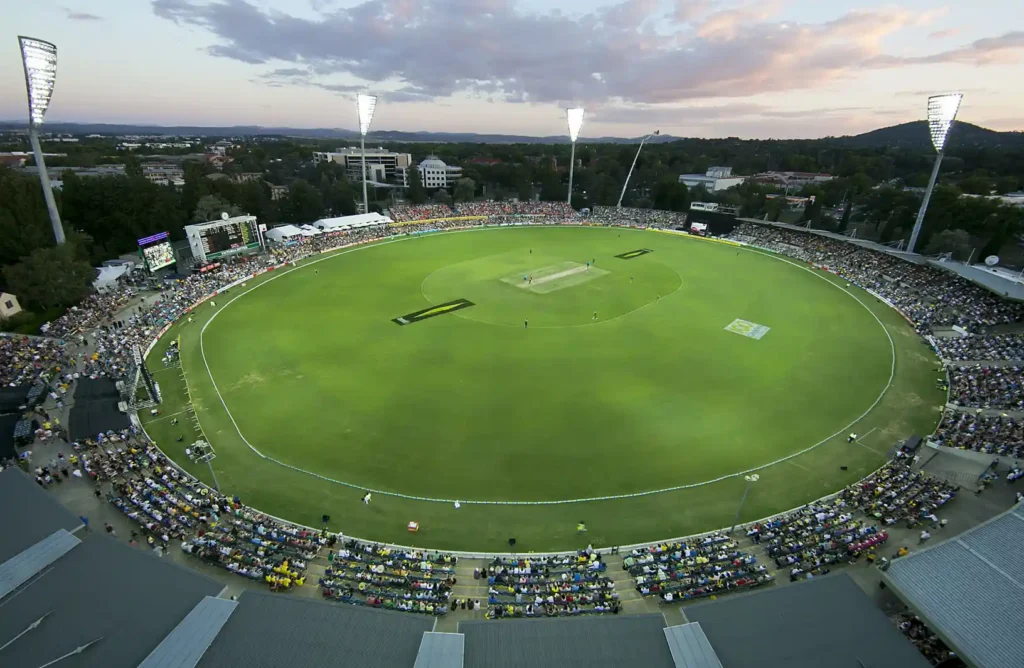
History & Renovation
Manuka Oval has been used for cricket since the 1920s and upgraded in the 2010s to host international matches regularly.
Capacity
- Approximate capacity: 15,000 spectators
International Matches Played (Approx.)
- Test matches: none
- ODIs: 10+
- T20 Internationals: 10+
Ground Dimensions
- Straight boundary: 65–70 meters
- Square boundary: 60–65 meters
- Shape: Oval
Average Scores
- ODI (1st innings): around 260 runs
- T20I (1st innings): around 165–170 runs
Pitch Behavior
Generally batting-friendly, with consistent bounce.
⭐ What Makes Manuka Oval Unique
This is the only international cricket venue in Australia’s capital city, Canberra.
🏟️ WACA Ground, Perth (Old Venue)
History & Status
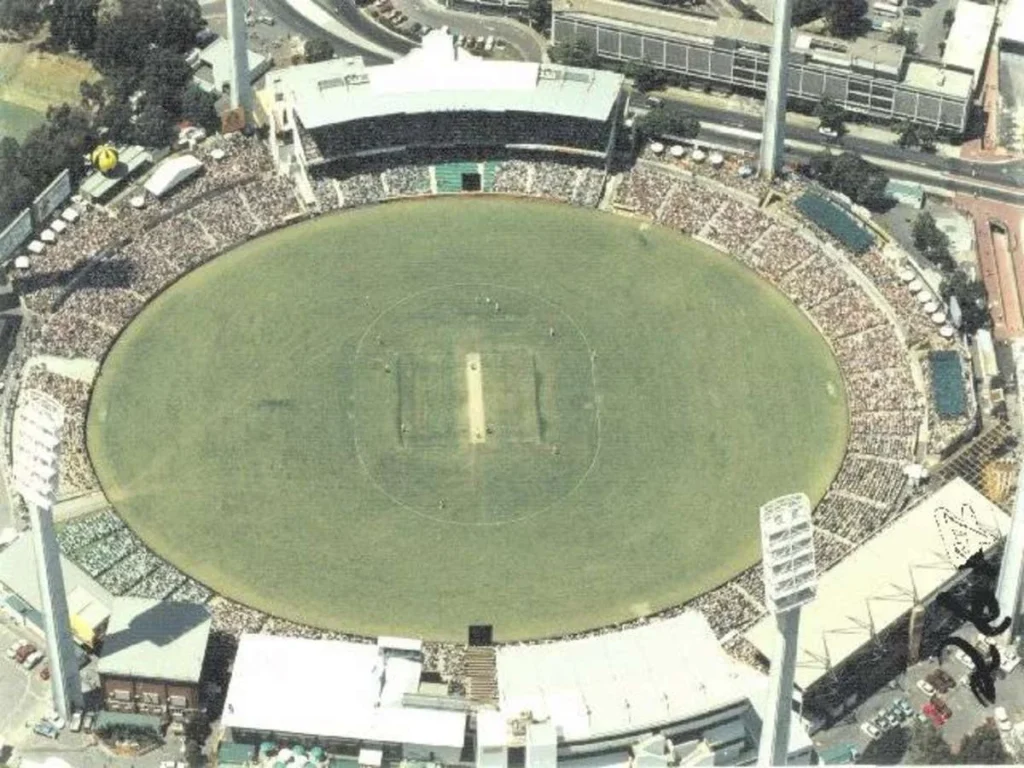
The WACA Ground was opened in 1970 and for decades was Australia’s fastest and most feared cricket pitch. It was replaced by Perth Stadium (Optus Stadium) in 2018 for major internationals.
Capacity
- Approximate capacity: 20,000 spectators
International Matches Played (Approx.)
- Test matches: 40+
- ODIs: 90+
- T20 Internationals: few
Ground Dimensions
- Straight boundary: 75–80 meters
- Square boundary: 70–75 meters
Pitch Behavior
Extremely fast and bouncy, often dangerous for visiting batters.
⭐ What Made WACA Unique
The WACA was known as the fastest pitch in world cricket, where helmets and ribs were constantly tested.
🏟️ Junction Oval, Melbourne (St Kilda Ground)
History & Status
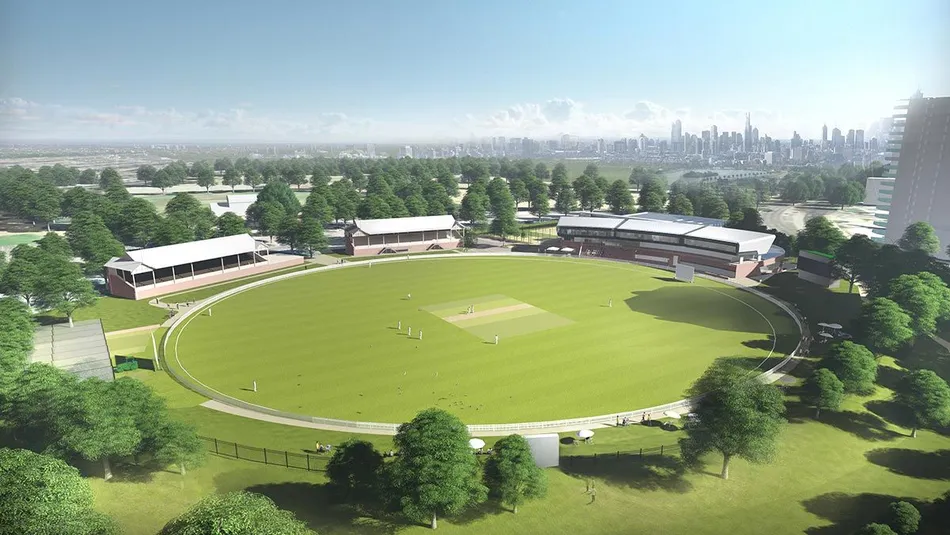
Junction Oval hosted Test cricket as early as the 1880s. It was later redeveloped and is now used mainly for women’s internationals and domestic cricket.
Capacity
- Approximate capacity: 7,000–10,000 spectators
International Matches Played (Approx.)
- Test matches: 5+ (historic era)
- ODIs / T20Is: women’s internationals mainly
Ground Dimensions
- Straight boundary: 70–75 meters
- Square boundary: 65–70 meters
Pitch Behavior
Generally batting-friendly surface.
⭐ What Makes Junction Oval Unique
This ground hosted international cricket in the 19th century, making it one of Australia’s earliest Test venues.
🏟️ Sydney Cricket Ground No. 2 (SCG No.2)
History & Status
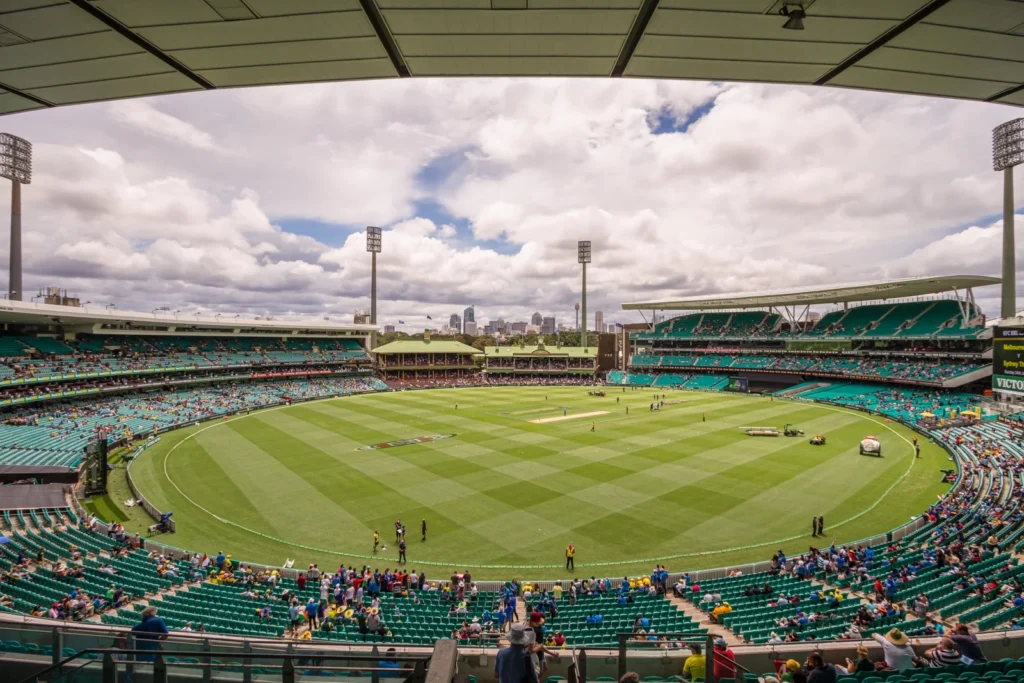
SCG No.2 is a secondary ground within the SCG complex. It has hosted ODIs, women’s internationals, and tour matches, but not regular men’s Tests.
Capacity
- Approximate capacity: Small seating & grass banks
International Matches Played
- ODIs / Women’s internationals: few matches
Pitch Behavior
Good batting surface with even bounce.
⭐ What Makes SCG No.2 Unique
It is one of the few international grounds located inside another major stadium complex.
🏟️ Marrara Oval (TIO Stadium), Darwin
History & Status
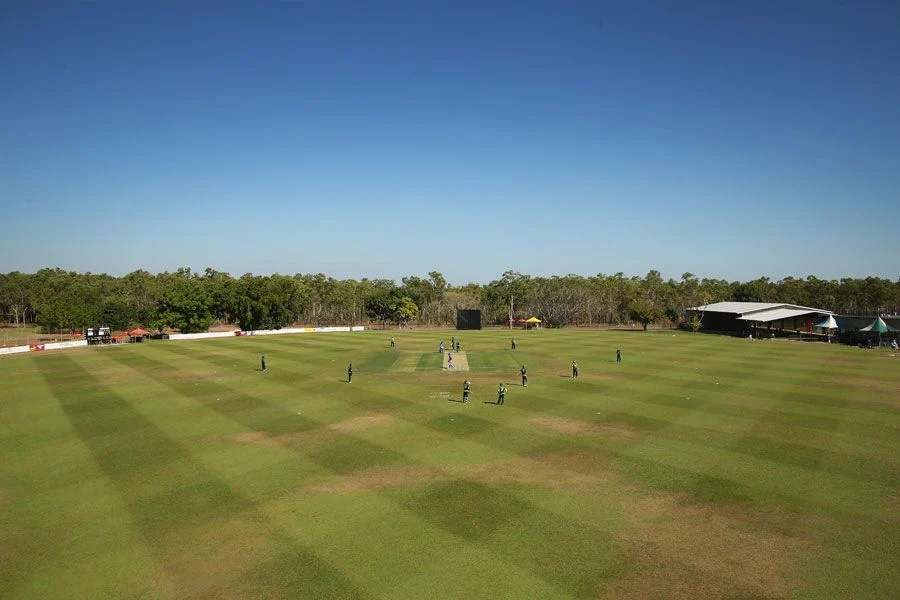
Marrara Oval has been used for ODIs and T20Is, especially involving associate teams and touring sides. It remains active for limited-overs internationals.
Capacity
- Approximate capacity: 12,000 spectators
International Matches Played (Approx.)
- ODIs: 10+
- T20 Internationals: 10+
Ground Dimensions
- Straight boundary: 70–75 meters
- Square boundary: 65–70 meters
Pitch Behavior
Flat pitch, good for batting, with tropical conditions.
⭐ What Makes Marrara Oval Unique
This is the only international cricket venue in Australia’s Northern Territory.
🏟️ Kardinia Park (GMHBA Stadium), Geelong (Rare Use)
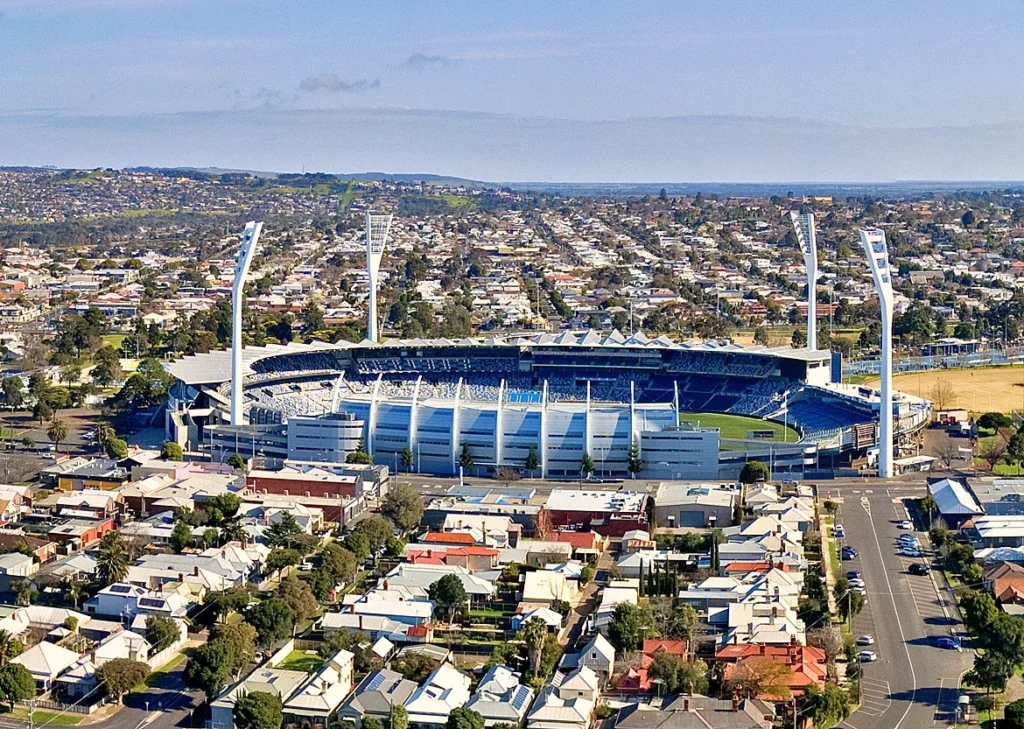
History & Status
Primarily an AFL ground, Kardinia Park has hosted limited international cricket matches, including ODIs.
Capacity
- Approximate capacity: 36,000 spectators
International Matches Played
- ODIs: few matches
Pitch Behavior
Good for batting with large boundaries.
⭐ What Makes Kardinia Park Unique
It is one of the few non-traditional cricket grounds to host international matches in Australia.
Apart from modern international venues, Australia has also hosted international cricket at several historic and less-used grounds that played an important role in the country’s cricket history.
❓ FAQs – Australian Cricket Stadium Records & Stats
1. Which is the largest cricket stadium in Australia?
The Melbourne Cricket Ground (MCG) is the largest cricket stadium in Australia, with a capacity of around 100,000 spectators.
2. Which is the oldest cricket stadium in Australia?
The Sydney Cricket Ground, opened in 1848, is one of the oldest cricket grounds in the world still in use.
3. Which Australian stadium has hosted the most Test matches?
The Sydney Cricket Ground has hosted the most Test matches in Australia, followed closely by the Melbourne Cricket Ground.
4. Which stadium is known for the fastest pitches in Australia?
Historically, the WACA Ground was famous for the fastest and bounciest pitch in world cricket.
5. Which Australian stadium is best for fast bowlers?
The Brisbane Cricket Ground (The Gabba) is considered the best venue for fast bowlers due to bounce and carry.
6. Which Australian stadium is best for batting?
Adelaide Oval is known as a batting-friendly ground, especially in day-night matches.
7. Which stadium hosts Australia’s traditional New Year’s Test?
The Sydney Cricket Ground hosts the traditional New Year’s Test match every year.
8. Which Australian stadium is the newest international venue?
The Perth Stadium (Optus Stadium), opened in 2018, is the newest major international cricket stadium in Australia.
9. Which Australian stadium has the longest boundaries?
The Melbourne Cricket Ground is famous for its very large playing area and long boundaries.
10. Which Australian stadium has a retractable roof?
The Docklands Stadium (Marvel Stadium) is the only Australian cricket venue with a retractable roof.
11. Which stadium is considered Australia’s strongest home fortress?
The Brisbane Cricket Ground (The Gabba) is known as Australia’s strongest Test fortress, with a long unbeaten record.
12. Which Australian stadium is the most scenic?
The Bellerive Oval in Hobart is considered one of the most scenic cricket stadiums in Australia.
13. Which Australian stadium hosted the most World Cup matches?
The Melbourne Cricket Ground has hosted more World Cup matches and finals than any other Australian venue.
14. Do Australian stadiums have bigger boundaries than Asian grounds?
Yes. Most Australian stadiums have larger boundaries, usually between 75–85 meters, compared to many Asian grounds.
15. Why are Australian pitches known for pace and bounce?
Due to hard soil, grass coverage, and climate, Australian pitches naturally produce pace and bounce, helping fast bowlers.
🏁 Final Conclusion
Australia is home to some of the most famous and challenging cricket stadiums in the world. From historic grounds like the Melbourne Cricket Ground (MCG) and Sydney Cricket Ground (SCG) to modern venues such as Perth Stadium, Australian cricket grounds have played a major role in shaping international cricket.
Australian stadiums are known for their fast pitches, high bounce, and large boundaries, which strongly support fast bowlers and test the skills of batters. Each ground has its own unique character, whether it is the tradition of the New Year’s Test at the SCG, the strong home record at The Gabba, or the beauty of Adelaide Oval.
Over the years, these stadiums have hosted Ashes series, World Cup matches, historic Test games, and record-breaking performances. Even older venues like the WACA Ground remain important parts of Australia’s cricket history.
Understanding Australian cricket stadiums, their capacity, pitch behavior, dimensions, and records helps fans and players better understand why Australia has been one of the strongest cricket nations for more than a century. Together, these stadiums continue to define the identity, strength, and legacy of Australian cricket.

Isabella Brooks is a sports content writer with a strong interest in cricket rules and match regulations. She simplifies technical laws, umpiring decisions, and gameplay conditions into engaging explanations. Her writing helps casual fans follow matches with confidence and clarity.